

true vocal cord


 1
5.6
1
5.6
- noun
- /tru ˈvoʊkəl kɔrd/
- Specialized
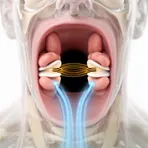
- When air passes through the true vocal cord, it vibrates to create different sounds.
Examples
-
Here on the true vocal cord.
-
The surgeon examined the true vocal cord to assess the patient's ability to speak clearly.
-
People with allergies may experience swelling of the true vocal cord, affecting their voice.
Synonyms
 35
3.5
35
3.5
A fold in the throat that vibrates to make your voice
 1
6.3
1
6.3
A thin piece of tissue in the throat that vibrates to make sound

Thin bands of tissue in the voice box that vibrate to make voice when air passes between them

A fold of soft tissue in the voice box that makes sound when air passes through
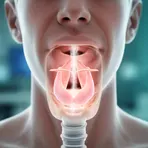
Thin folds of tissue in the throat that make sound when you speak

Lower band of tissue in the throat that makes sound when air passes between the two bands

A lower fold of tissue in the throat that makes sound when air passes between the two
Antonyms
Surface Forms
Morphology
The phrase is compositionally transparent: 'vocal' relates to voice and 'cord' denotes a band or rope-like structure, while 'true' marks the genuine/actual one. Although the distinction (true vs false vocal cords) is anatomical and somewhat technical, the basic idea—that these are the real voice-producing bands—is directly derivable from the constituents and should be understandable to a B1 learner who knows the component words.
Etymology
The term true vocal cord comes from the simple image of two bands called vocal cords that actually vibrate to make 'sound'. They are called true to show they are the real voice makers, unlike nearby 'false vocal cords', so the name points to the part that makes your 'voice'.