
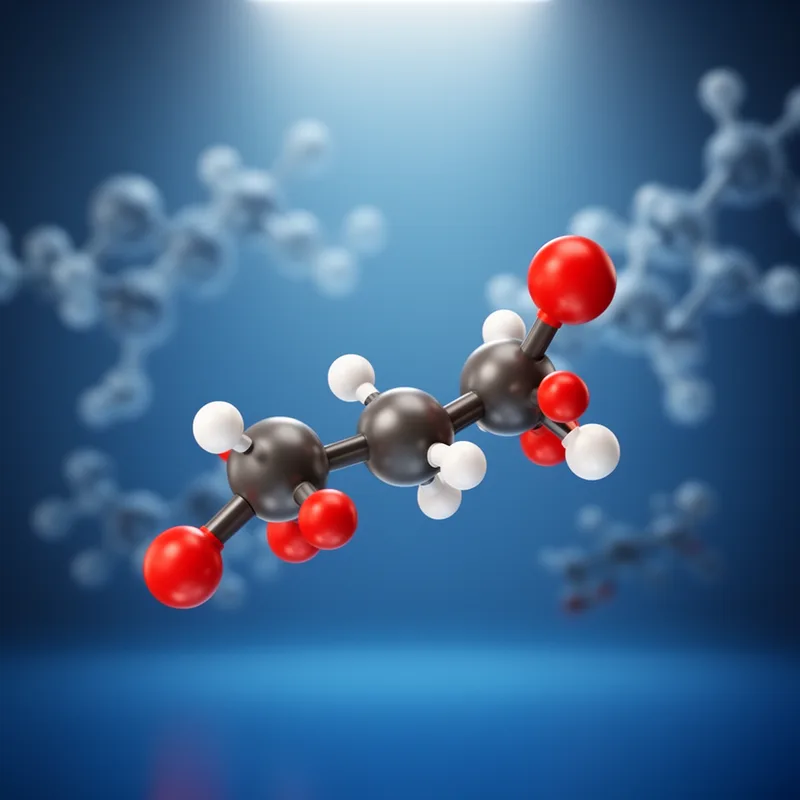
triose
9.9
A simple sugar that has three carbon atoms in each molecule
- noun
- /ˈtraɪoʊs/
- Specialized
:
triosa
- A triose is a simple sugar that consists of three carbon atoms.
Examples
-
We want to strip some electrons, a pair of electrons off of this particular triose, the three carbon sugar.
-
Now two other steps are isomerase reactions, triose phosphate isomerase and glucose phosphate isomerase.
-
Fructose is an example of a triose that is important in metabolism.
-
The cell metabolizes triose sugars to produce energy.
Surface Forms
Morphology
triose = tri + ose
The prefix 'tri-' indicates 'three' but the combining form '-ose' is a technical chemical suffix meaning 'sugar'; an average B1 learner would not reliably infer 'three-carbon sugar' from the parts.
Etymology
Triose comes from the parts tri- meaning 'three', as in triangle, and -ose meaning 'sugar', so a triose is a simple sugar made of three carbon atoms.

