

trifoliate orange
- noun
- /ˈtraɪfoʊliˌeɪt ˈɔrɪndʒ/
- Specialized
- Gardeners frequently use trifoliate orange as rootstock for cultivated citrus trees.
Examples
-
The trifoliate orange is often grown as a hedge because of its dense, thorny branches.
-
Although the trifoliate orange produces attractive fruit, it is generally considered inedible.
-
The trifoliate orange is known for its spiny branches.
-
Many gardeners prefer the trifoliate oranges for their hardiness.
-
Gardeners frequently use trifoliate orange as rootstock for cultivated citrus trees.
-
Although the trifoliate orange produces attractive fruit, it is generally considered inedible.
-
The trifoliate orange is often grown as a hedge because of its dense, thorny branches.
Synonyms


 1
8.5
1
8.5
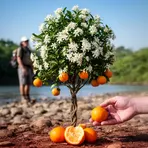
A small tree with fragrant flowers and bitter, inedible fruit

A small thorny Chinese tree with scented flowers and inedible fruit used for grafting and hedges

A small spiny Chinese tree with scented flowers and decorative inedible fruit used for hedges and as rootstock
Surface Forms
Morphology
The compound is directly compositional: 'trifoliate' (having three leaflets) modifies 'orange' (the orange tree/fruit), so the phrase denotes an orange tree with three-part leaves. Although 'trifoliate' is somewhat specialized vocabulary, if a learner knows both constituent meanings the overall sense is predictable and follows ordinary adjective+noun composition found across languages.
Etymology
Trifoliate orange The name trifoliate orange comes from its leaves: trifoliate means 'three leaflets' and orange is the fruit the tree makes. So the name paints a simple picture — a small, thorny orange tree with leaves in groups of three, which helps you remember why gardeners use it for hedges and to help grow other orange trees.