
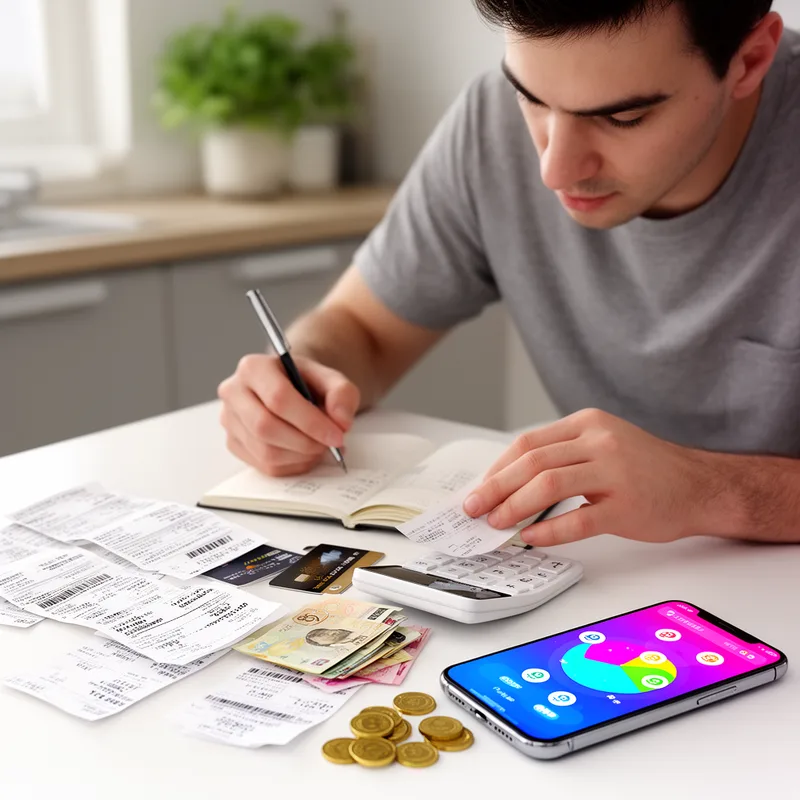
to track expenses


 1
2.7
1
2.7
- phrasal verb
- /træk ɪkˈspɛnsɪz/
- Well, I'm a Finance Director and track expenses and analyze for a living.
Examples
-
To manage your budget effectively, you should regularly track expenses and categorize each purchase.
-
Why did your husband suggest that you track expenses? Why doesn't he do it if you would prefer not to know?
Blog text (10) -
There is an easy way to track expenses: all credit card charges plus ATM receipts.
Blog text (10) -
Saving receipts electronically and keeping track of big transactions are good habits, for example, and from there companies should be able to use software to better track expenses.
Blog text (28) -
It's important to track expenses during your vacation to avoid overspending on activities and dining.
-
Using a spreadsheet can help you track expenses and analyze your spending patterns over time.
Synonyms
 1
3.4
1
3.4
To regularly check how much money you spend
Antonyms

How Closely
- Specialized
17
4.2

- Specialized
22
5.6
1
2.7
- Specialized
Surface Forms
Morphology
The meaning 'to monitor or record money spent' is directly and transparently derived from combining 'track' (to follow or monitor) with 'expenses' (sums of money spent). This straightforward verb + noun composition follows common patterns across languages for monitoring financial outflows and would be understandable to a B1 learner who knows both constituents.
Etymology
Track expenses uses track in its old sense of following a trail and expenses for money you spend. Imagine following the footprints of each purchase to see where your money goes, so it means 'to watch' or 'to record' the money you spend.