

tortoise plant
- noun
- South African
- The tortoise plant is prized for the unusual appearance of its massive rootstock.
Examples
-
The tortoise plant has a large, woody rootstock that can survive in tough climates.
-
Due to its deeply fissured bark, the tortoise plant can store water efficiently.
-
Botanists studied the tortoise plant to better understand its drought resistance.
-
Gardeners often cultivate the tortoise plant for its unique, sculpted base.
-
The tortoise plant is native to South Africa.
-
Many gardeners love the tortoise plant for its unique appearance.
-
Many people admire the tortoise plant for the distinctive texture of its bark.
Synonyms

A South African climbing plant with a large woody base that looks like a turtle shell

A climbing plant from South Africa with a large rough root like an elephant's foot

A South African vine with a very large underground tuber
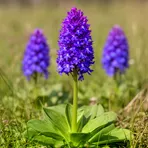
A plant that grows in different regions, often with blue or purple flowers
How Big


Surface Forms
Morphology
This is a straightforward noun–noun compound where 'tortoise' modifies 'plant', so a learner who knows both words will infer it denotes a type of plant associated with or resembling a tortoise. Although the specific botanical details (woody rootstock, fissured bark) are specialist, the basic sense 'a plant related to or looking like a tortoise' is directly derivable from the constituents and follows common compounding patterns.
Etymology
Tortoise plant: The noun tortoise plant comes from the plant's big, hard root that looks like a tortoise's 'shell' and from its slow growth, so people compared the plant to a tortoise. That's why the name now refers to a vine with a large, sculpted base that helps it survive dry weather.