
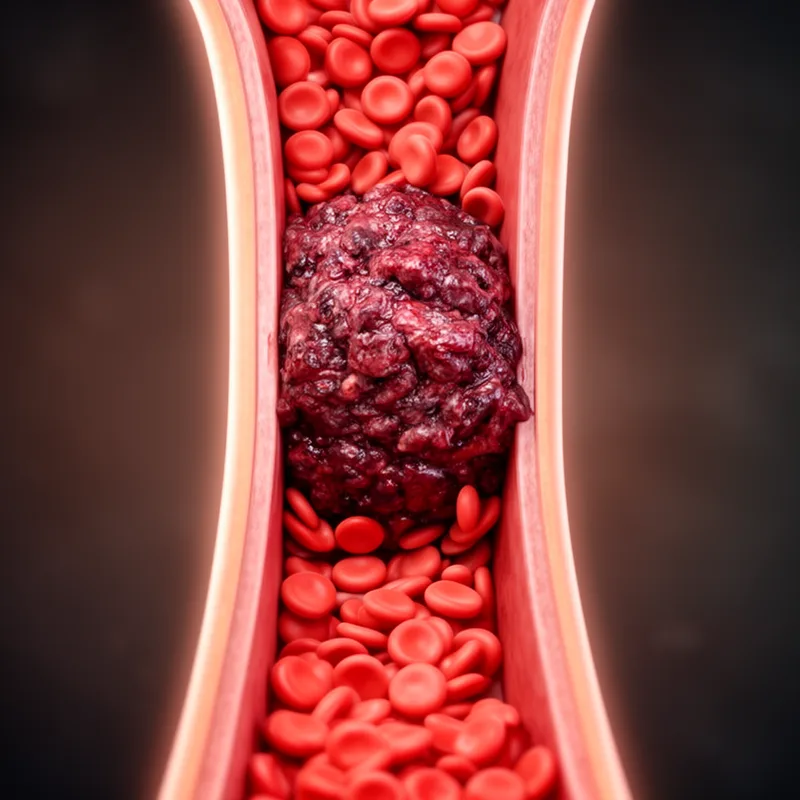
thrombotic


 1
6.8
1
6.8
- adjective
- /θrɒmˈbɒtɪk/
- Specialized
- In humans, the thrombotic event frequently consists of multiple cycles of temporary occlusion and reperfusion.
- thrombotic thrombocytopenic purpura
- thrombotic risk
- thrombotic event
Examples
-
Doctors often monitor patients for thrombotic events that might occur after surgery.
-
We investigated the possible mechanism and treatment of such thrombotic reactions.
Academic text (2002) -
A thrombotic stroke is the result of several risks.
Academic text (2012) -
In addition, it is possible to identify those already with AF in order to reduce thrombotic risk.
Academic text (2011) -
There are still features of aspirin treatment for arterial thrombotic disorders that need further study.
Academic text (1991) -
Our results clearly indicate that the familial thrombotic disorders described here are not associated with female infertility.
Academic text (1999) -
Although the function of Lp(a) is not established, it has thrombotic and atherogenic properties.
Academic text (1992) -
The theory is that sudden intense exercise may cause an unstable atherosclerotic plaque to dislodge, leading to a thrombotic event.
Academic text (2012) -
The biopsy findings were significant for thrombotic vasculitis in the small and medium-sized vessels.
Academic text (2006) -
Furthermore, few epidemiological studies have assessed the relation between postmenopausal use of hormones and thrombotic disease.
Academic text (1999)
Synonyms
 1
9.6
1
9.6
A blood vessel blocked by a clot that stops blood flow
 1
8.9
1
8.9
A health problem caused by a blood clot that blocks a vein or artery
Surface Forms
Morphology
Etymology
The word thrombotic comes from the Greek root thrombo- meaning 'clot', a thick mass of blood. So, thrombotic describes something caused by a blood clot that blocks a blood vessel.