
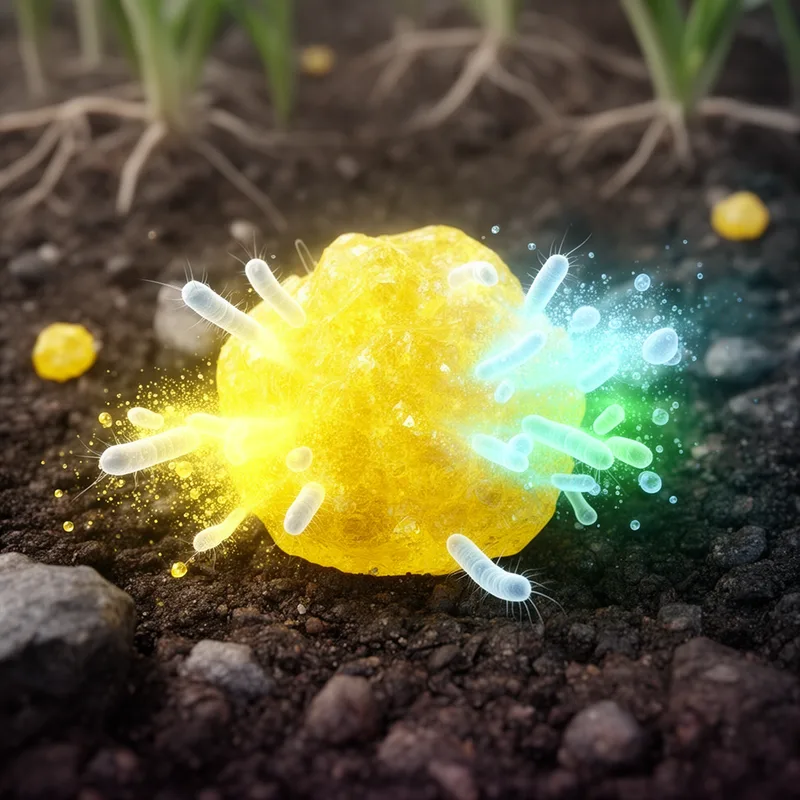
thiobacteria
- noun
- /ˌθaɪoʊˈbækˌtɪəriə/
- Specialized
- Thiobacteria play a significant role in the cycling of sulfur in the environment.
Examples
-
Thiobacteria thrive in environments rich in sulfur, such as hot springs and hydrothermal vents.
-
Many species of thiobacteria are essential for converting sulfur compounds into energy.
-
Researchers studied thiobacteria to understand how they contribute to soil fertility.
-
The presence of thiobacteria can accelerate the breakdown of certain inorganic compounds.
-
The thiobacteria play a crucial role in the sulfur cycle.
-
Many thiobacteria thrive in extreme environments.
-
The study of thiobacteria reveals their importance in maintaining ecological balance in sulfur-rich ecosystems.
Synonyms



 1
9.9
A rod-shaped bacterium that gets energy from sulfur, often found in soil and sewage
Surface Forms
Morphology
Etymology
Thiobacteria starts with thio- meaning 'sulfur' and ends with bacteria, which are tiny living cells. So thiobacteria are bacteria that use or change 'sulfur', which explains why they help move sulfur in soil and water.