
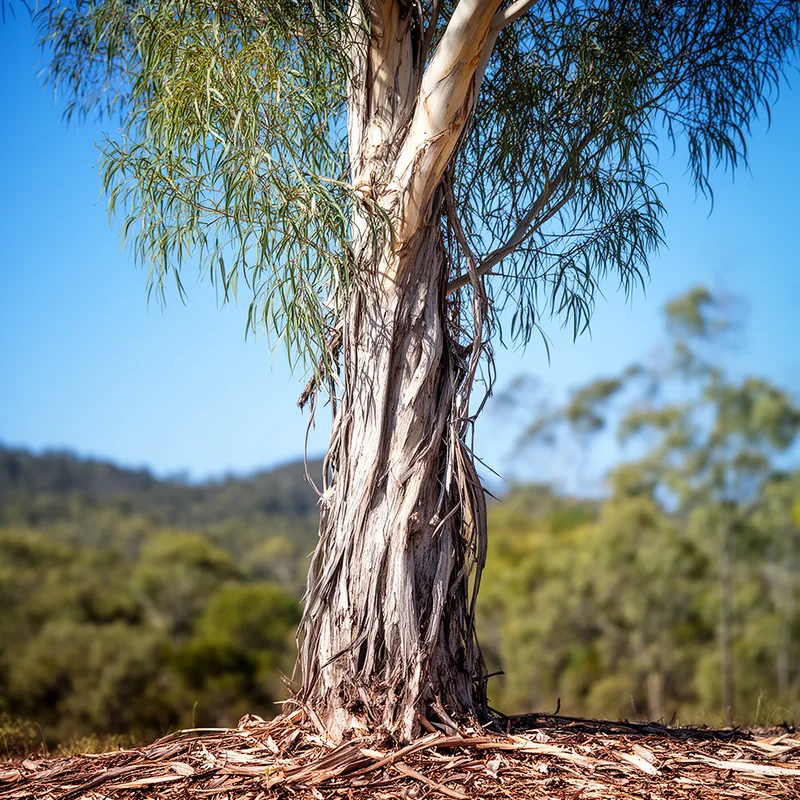
thin-leaved stringybark
- noun
- Australian
- Wood from the thin-leaved stringybark is valued for its durability and pale color.
Examples
-
The thin-leaved stringybark is commonly found in the forests of eastern Australia.
-
We spotted several thin-leaved stringybarks growing along the ridgeline during our hike.
-
The thin-leaved stringybark is found in many parts of Australia.
-
Have you ever seen a thin-leaved stringybark in the wild?
-
The thin-leaved stringybark tree is known for its distinctive stringy bark and is native to Australia.
-
While walking through the national park, we admired a large thin-leaved stringybark with its beautiful white trunk.
-
Many birds nest in the branches of the thin-leaved stringybark, which provides an excellent habitat for wildlife.
Synonyms
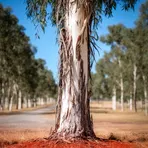
A tall Australian tree with white wood and long, stringy bark
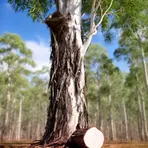
A tall Australian tree with rough stringy bark and white wood
Surface Forms
Morphology
thin-leaved + stringybark
The phrase is a straightforward adjective + noun composition: 'thin-leaved' (having thin leaves) modifies 'stringybark' (a type of eucalyptus with stringy bark), so the overall meaning is simply a stringybark tree with thin leaves. This follows normal English compounding and adjective–noun semantics and would be directly derivable by a B1 learner who knows the constituents.
Etymology
The name thin-leaved stringybark comes from a clear picture: an Australian 'eucalyptus' tree with very thin leaves and a rough stringy bark that peels off in long strips like strings. So the name simply describes the tree's thin leaves and stringy bark.

