
tetrasaccharide
- noun
- /ˌtɛtrəˈsækəˌraɪd/
- Specialized
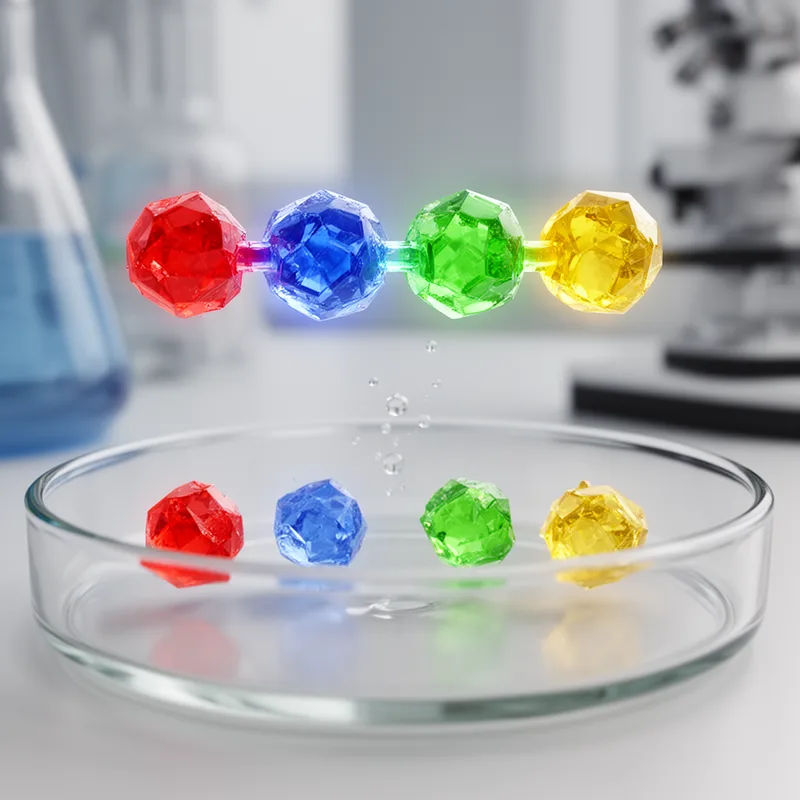
- A tetrasaccharide consists of four sugar molecules.
Examples
-
A tetrasaccharide is formed when four monosaccharides are linked together.
-
Complete hydrolysis of this tetrasaccharide produced four separate monosaccharides.
-
Researchers are studying the role of tetrasaccharides in cellular communication.
-
The scientist identified a new tetrasaccharide in the plant extract.
-
The tetrasaccharides in this sample were analyzed carefully.
-
Complete hydrolysis of this tetrasaccharide produced four separate monosaccharides.
-
The scientist identified a new tetrasaccharide that could enhance food textures.
Synonyms



 1
9.1
A small carbohydrate made of a few simple sugars linked together
Surface Forms
Morphology
tetrasaccharide = saccharide (semi-transparent) = tetra + saccharide + tetr
Formed by the combining form 'tetra-' (four) + 'saccharide'; composition is regular in chemical nomenclature but the elements are technical combining forms that may be unfamiliar to average B1 learners.
Etymology
The word tetrasaccharide comes from tetra- meaning 'four' and saccharide meaning 'sugar'. So a tetrasaccharide is literally 'four sugars' joined together, which is why it gives four simple sugar units when it is fully broken apart.