
terza rima
- noun
- /ˈtɜrzə ˈriːmə/
- Literature
- While Howl was a masterpiece of manic free verse, Gramsci's Ashes was written in, of all things, terza rima - Dante.
- Dante's terza rima
Examples
-
For as long as he could remember, he had been planning a grandiose, universal poem in terza rima that would encompass the whole of experience in this life and perhaps speculate on what lay beyond.
Fiction book (1998) -
I could introduce him to the concept of terza rima.
Fiction book (1998) -
I don't talk about Dante's terza rima every year.
Blog text (26) -
The goal is to create an audible terza rima within the idiom of English sentences that can be read with pleasure.
Academic text (1994) -
Dante's choice of Italian terza rima for his epic may thus be seen as equivalent to Milton's choice of English blank verse.
Academic text (2003) -
Rhyme royal and terza rima are not the only verse forms that may be read as deliberate rejections of ottava rima.
Academic text (2003) -
For terza rima is not merely a simpler verse form than ottava rima; it also refuses to resolve itself into discrete stanzas as ottava does.
Academic text (2003) -
The form-content identity does not exist even where it would seem inevitable, namely, in literature; for, as Gabriel Ferrater said in a famous boutade, we cannot mistake Dante's terza rima for the torments of hell.
Academic text (1991) -
Many poets enjoy writing in terza rima because of its intricate rhyme scheme.
-
In her latest collection, she experimented with terza rima to create a flowing narrative.
Surface Forms
Morphology
terza + rima
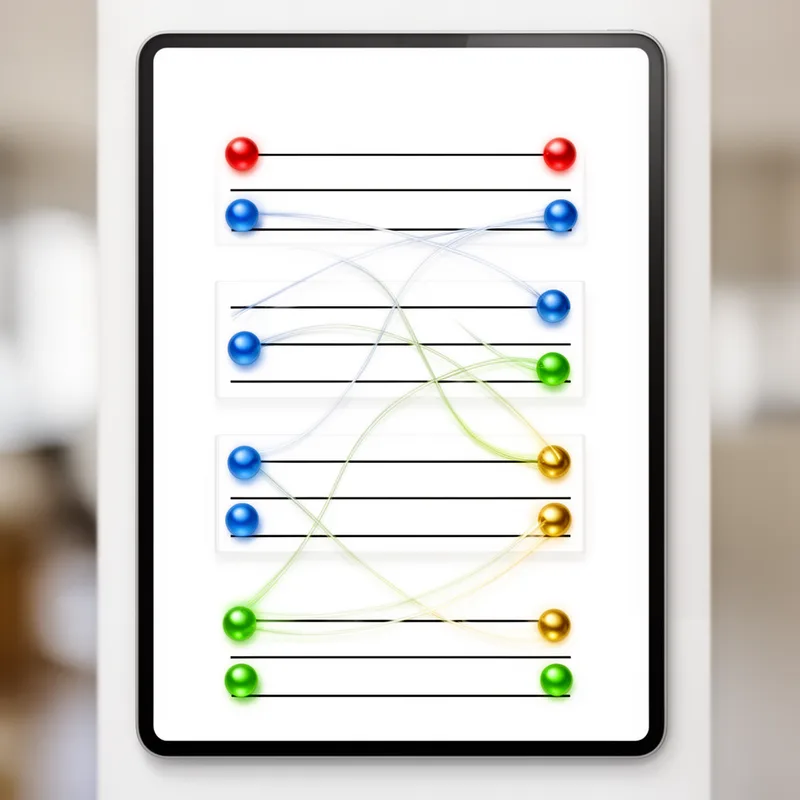
Terza rima is a transparent, compositional label: Italian terza = 'third' and rima = 'rhyme', so the phrase literally denotes a 'third-rhyme' stanzaic pattern (three-line units with interlocking rhyme). If a learner knows the constituent meanings, the technical description of tercets and the aba bcb pattern is readily inferable rather than idiomatic or metaphorical.
Etymology
Terza rima comes from Italian: terza means 'third' and rima means 'rhyme'. One popular story says Dante used it to keep his long poem moving. The middle rhyme of each three-line group becomes a rhyme in the next group, so the groups link together like a chain and the poem sounds continuous.

