

teff grass
- noun
- Specialized
- Farmers value teff grass both for its nutritious grain and as high-quality hay for livestock.
Examples
-
Ethiopians traditionally use teff grass to make injera, a type of spongy flatbread.
-
Demand for teff grass has increased worldwide due to its gluten-free properties.
-
Farmers in Ethiopia grow teff grass for its nutritious seeds.
-
Did you know teff grass is gluten-free?
-
Ethiopians traditionally use teff grass to make injera, a type of spongy flatbread.
-
Demand for teff grass has increased worldwide due to its gluten-free properties.
-
Farmers value teff grass both for its nutritious grain and as high-quality hay for livestock.
Synonyms
 1
9.9
1
9.9

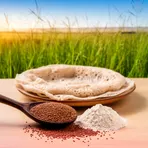
A tiny grain from an African grass used to make food like Ethiopian injera

A grass from Ethiopia grown for very small edible seeds used to make flour
How Common

Surface Forms
Morphology
The compound is directly compositional: 'teff' names a particular cereal grain and 'grass' names the plant type, so 'teff grass' straightforwardly denotes the grass species that yields teff. This type of noun+noun naming pattern (a specific kind of plant) is cross-linguistically common and would be predictable to a B1 learner who knows both constituents.
Etymology
Teff grass comes from teff, a very small-seeded grass that farmers in Ethiopia have grown for food and for animal feed. Imagine thin plants with tiny, dust-like seeds that are ground into flour to make 'injera' or cut as hay; that image explains why the name means a grass grown for edible little grains and animal feed.