
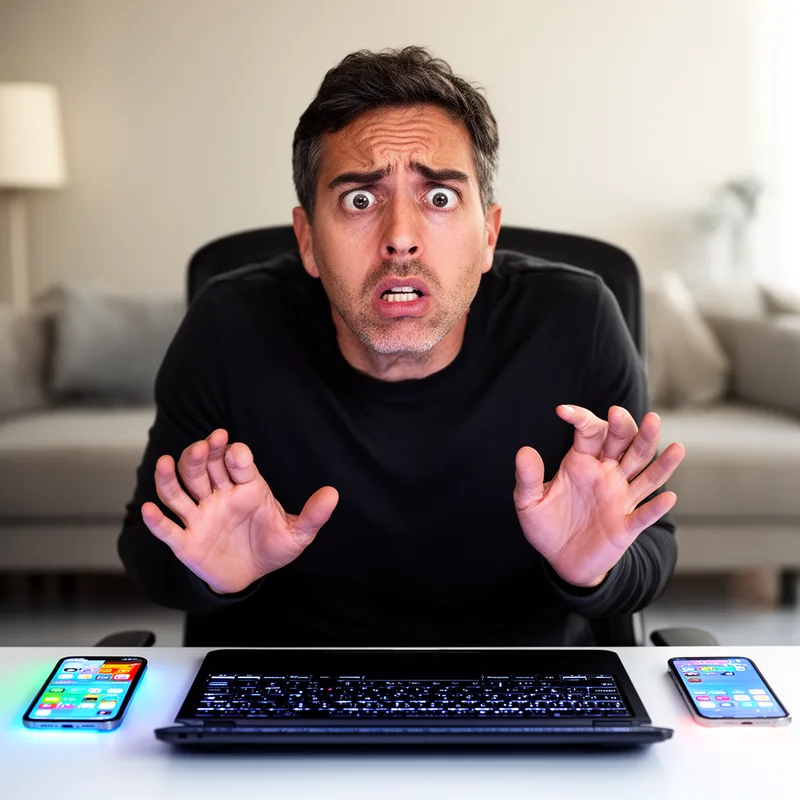
technophobic


 1
8.2
1
8.2
- adjective
- /ˌtɛk.nəˈfoʊ.bɪk/
- Her technophobic nature made it difficult for her to use her smartphone effectively.
Examples
-
Vivi was still technophobic, and Isherwood's occupation as a rheologist naturally involved machines.
Fiction book (2002) -
Many older adults are often technophobic and struggle to adapt to new devices.
-
My son thinks I have become so technophobic.
Blog text (26) -
Knowing her technophobic background, the surgeons had kept the information from her.
Fiction book (2002) -
The great strength of this approach is that it resonates with even the most conservative and technophobic local businesses.
Blog text (21) -
Although such incidents had only symbolic impact, they scared technophobic Western policymakers.
Academic text (2006) -
A technophobic lawyer will almost certainly regard this as an unpleasant task, and it will suffer from neglect and lack of imagination.
Academic text (1997) -
It is not always intuitive; however, it intimidates technophobic teachers.
Academic text (2011) -
It also seems the President shares the technophobic sentiments of those laborers of yore.
Blog text (16) -
He became technophobic after experiencing numerous issues with modern technology.
Antonyms

Surface Forms
Morphology
technophobic = technophobia (transparent) = techno + phobia + ic
Formed from 'techno-' (technology) + 'phobia' with an adjectival suffix '-ic'; learners who know 'technology' and 'phobia/-phobic' can infer the meaning.
Etymology
Technophobic comes from techno- (from the old Greek word techne meaning 'skill' or 'art', which you see in technology) and -phobic (from phobos meaning 'fear', as in 'phobia'). So, technophobic means being afraid of or not liking modern devices and computers.