

to take the Fifth
 19
8.3
19
8.3

- idiom
- /teɪk ðə fɪfθ/
- Formal
- One of the DOJ officials set to testify before Congress has indicated that she will "take the Fifth" and not answer on the grounds that it may tend to incriminate her.
- people take the Fifth
- take the Fifth and refuse
- questions or take the Fifth
Examples
-
Sandy, you expect me to take the Fifth Amendment?
-
I take the Fifth Amendment.
-
'Cause everybody knows only guilty people take the Fifth.
-
I mean, what if I take the Fifth?
-
My client's taking the Fifth.
-
I'm taking the Fifth on that.
Fiction book (1996) -
Honestly, I think I'd better take the Fifth.
-
Until we have a complete psychological evaluation, he will be taking the Fifth on any and all questions posed to him.
-
They can't do anything to me if I take the Fifth Amendment, right?
-
During the hearing, he decided to take the Fifth rather than risk self-incrimination.
Synonyms
 5
7.5
5
7.5
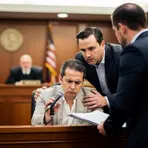
Refuse to answer questions in court or by police to avoid saying you did something wrong
Antonyms


How Willing


Surface Forms
Morphology
take + the + Fifth
The phrase refers specifically to invoking the U.S. Fifth Amendment right against self-incrimination, a culture- and law-specific usage that cannot be inferred from the literal words 'take' + 'the' + 'Fifth'. A B1 learner who knows the constituent words but lacks knowledge of U.S. legal convention would not predict this meaning, so the expression is idiomatic and opaque.
Etymology
Take the Fifth comes from a US legal rule called the 'Fifth Amendment', which lets people take the Fifth and refuse to answer questions in court so they do not say something that makes them look guilty. So take the Fifth means 'to refuse to answer questions to avoid saying something that would make you look guilty'.