
taconite
 1
9.9
1
9.9

- noun
- /ˈtækəˌnaɪt/
- Specialized
- Early in the 1960s, blast furnaces in the East were starting to get their first taste of pelletized iron ore, which many people generally call 'taconite.'
- taconite mine
- taconite ore
Examples
-
The mining company extracted taconite to produce iron for steel manufacturing.
-
What is known is that she was hauling 26,000 tons of taconite pellets down Lake Superior when she was caught in a particularly vicious storm.
Blog text (8) -
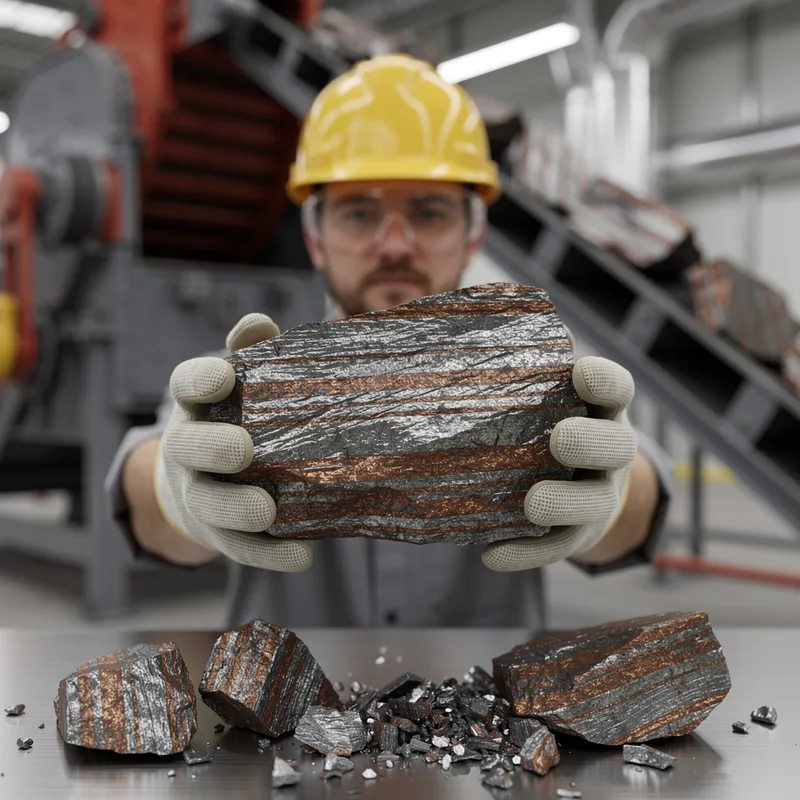
This down here is taconite.
-
I represent Pearson Taconite and Steel.
-
How did you first hear that Pearson Taconite and Steel was hiring women? -
-
Last year, Gogebic Taconite proposed a 4.5-mile-long mine that would cost $1.5 billion and bring an estimated 700 jobs.
Blog text (17) -
Steel mills found that not only was this new form easy to transport, but the size and shape of taconite made it combust more easily in their blast furnaces; thus, the demand for pelletized ore grew.
Blog text (1) -
Unlike Minnesotan taconite mills, the Michigan mill did not concentrate the iron content in its pellets; this is mostly due to the nonmagnetic nature of the iron ore in the region.
Blog text (1) -
Taconite is a crucial resource in the iron mining industry due to its significant taconite content.
-
In Minnesota, taconite is mined extensively to meet the demand for iron ore.
How Rich

Surface Forms
Etymology
Taconite was named after the Taconic mountains or region in the United States and came to mean a hard rock with thin layers of iron. So, taconite now refers to a 'low-grade' iron ore that must be crushed and processed to get the iron.