
systole


 1
7.9
1
7.9
- noun
- /ˈsɪstəˌli/
- Specialized
- Aortic valve trauma occurs during systole or early diastole.
- atrial systole
- ventricular systole
- systole and diastole
Examples
-
A single cycle of cardiac activity can be divided into two basic phases: diastole and systole.
Academic text (2012) -
The murmur associated with MVP occurs in mid to late systole and is not present in all patients with MVP.
Academic text (2007) -
So this is the start of systole right here.
-
A faint systole at 86.
-
The murmur results from blood leaking into the left atrium during systole.
Academic text (2007) -
The displacement of the leaflet(s) is at least 2 mm during systole.
Academic text (2007) -
One of the leaflets then billows backwards into the left atrium during systole, and this leads to prolapse.
Academic text (2007) -
The echocardiogram should show the posterior displacement of one or both of the leaflets at least 2 mm during systole.
Academic text (2007) -
Mitral valve prolapse occurs when one or both of the leaflets billow back into the left atrium during systole.
Academic text (2007) -
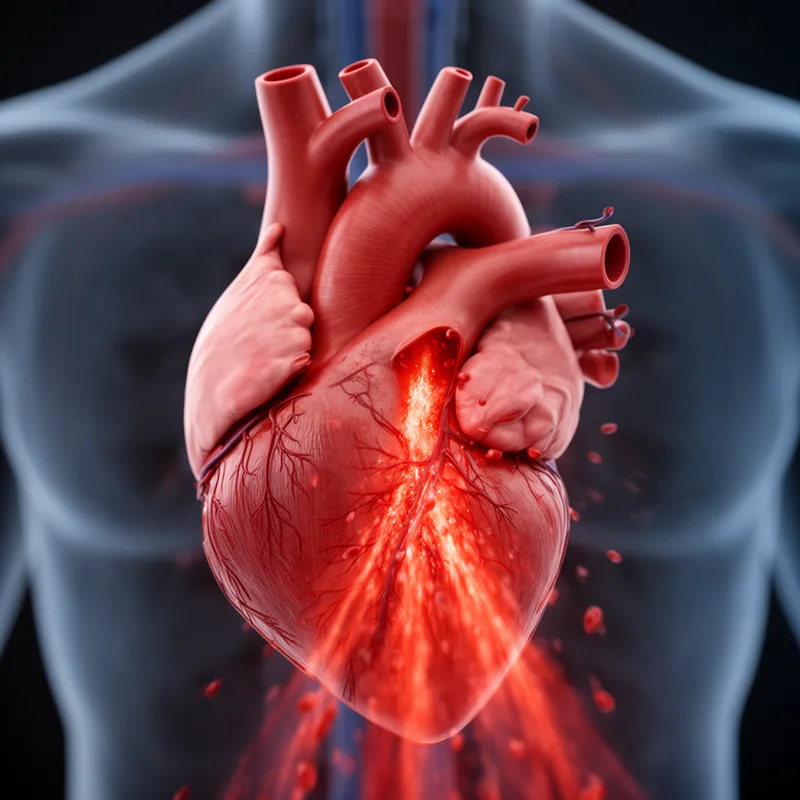
During systole, the heart's chambers contract to pump blood into the arteries.
Antonyms

- Specialized
1
7.9
A time during the heartbeat when the heart chambers relax and fill with blood
Surface Forms
Etymology
Systole comes from the Greek word systolē, which means 'a drawing together', from syn- 'together' and stolē 'drawing'. So, systole is the part of the heartbeat when the heart 'draws together' or contracts to push blood out.