

to swink
- verb
- /swɪŋk/
- Archaic
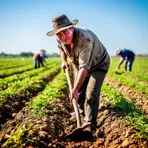
- The peasants would swink in the fields from sunrise to sunset.
Examples
-
In old poems, heroes often swink for the sake of their lords.
-
He swinked from dawn until dusk.
-
She read a tale where villagers must swink to survive harsh winters.
-
Why do you swink so hard every day?
-
He had to swink in the fields from dawn until dusk to support his family.
-
In the novel, the protagonist would swink tirelessly to achieve his dreams, despite the difficulties.
-
She preferred to swink on her farm rather than sit idly by, finding satisfaction in her labor.
Synonyms

 35
5.3
35
5.3

To work very hard for a long time
 9
6.9
9
6.9
To work regularly at a trade or skill
 5
6.7
5
6.7
To work hard for a long time on a task that is difficult or tiring
 1
7.0
1
7.0
To work hard at boring, repetitive tasks for a long time
 1
3.6
1
3.6
To use a lot of energy to do a hard job for a long time


 1
6.4
1
6.4
To work hard and steadily for a long time
To work very hard doing physical or unpleasant jobs for a long time
Antonyms

How Hard

Surface Forms
Etymology
Swink comes from the old English verb swincan, which meant 'to toil' or 'to work hard'. So to swink as a verb is to work very hard, often in a slow and tiring way.