

swamp rabbit
- noun
- /swɑmp ˈræbɪt/
- US
- We spotted a swamp rabbit darting across the marshy ground.
Examples
-
The swamp rabbit is known for its strong swimming abilities.
-
Many birds and mammals, including the swamp rabbit, thrive in wetland habitats.
-
The swamp rabbit is known for its large size.
-
Many swamp rabbits inhabit the wetlands of Louisiana.
-
The swamp rabbit is known for its agility as it moves swiftly through the marshy areas.
-
While hiking in the wetlands, I spotted a swamp rabbit hopping between the tall grasses.
-
The wetlands are home to various wildlife, including the elusive swamp rabbit that thrives in its damp habitat.
Synonyms
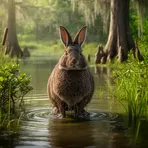
A large rabbit that lives in swamps and wet lowlands in the southeastern United States

A large rabbit that lives in swamps and marshes in the southern United States
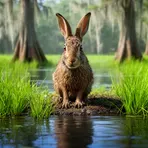
A rabbit that lives in swampy lowlands in the southeastern United States
Surface Forms
Morphology
The meaning 'a rabbit that lives in swampy or marshy areas' is directly and transparently derived from combining 'swamp' (wetland) with 'rabbit' (small mammal). This noun–noun compounding pattern is straightforward and cross-linguistically common, so a B1 learner who knows both constituents would readily infer the referent.
Etymology
Swamp rabbit is the name for a large rabbit that lives in a swamp, so imagine a rabbit running through wet, marshy land and even swimming when it must. That's why the phrase means 'a large rabbit that lives in marshy, wet areas'.

