
superovulation


 1
8.1
- noun
- /ˌsuːpərˌoʊvjʊˈleɪʃən/
- Specialized
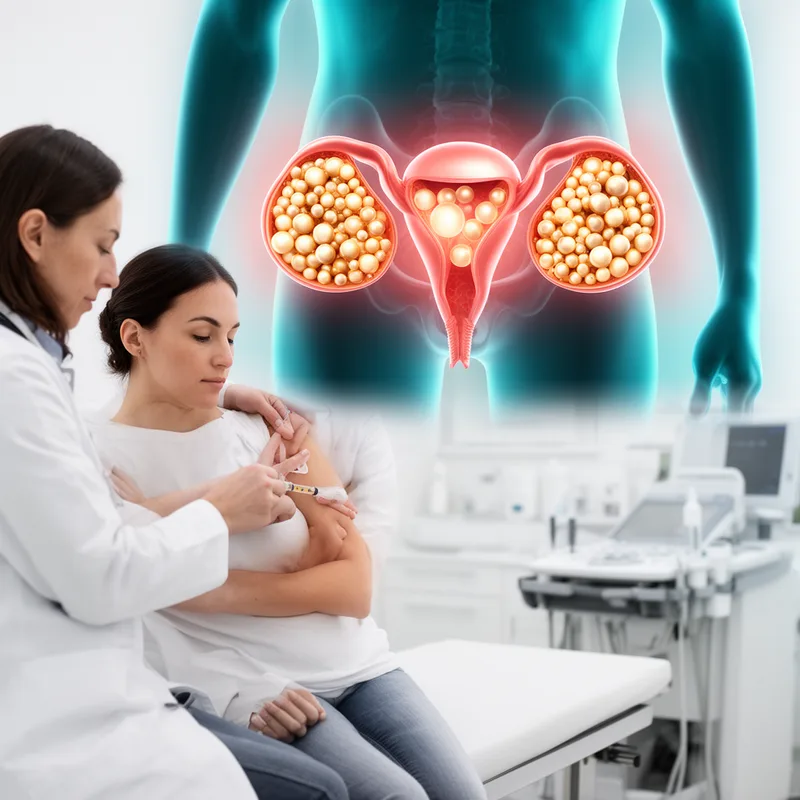
- A treatment cycle begins with the administration of drugs to induce superovulation.
Examples
-
Superovulation has also been linked to increased risks of ovarian cancer, although current data is not dispositive.
Academic text (2017) -
Following this period of superovulation, donors undergo laparoscopic surgery to retrieve the eggs, a procedure that may result in bleeding, pelvic infection, accidental bowel injury, superficial hemorrhage, and retained gas.
Academic text (2017) -
It helps to document good quality of care; after all, the fact that the clinic made embryos means that they are experts at superovulation, egg retrieval, and fertilization, and good clinics are proud to display their expertise!
Blog text (18) -
The doctor explained that superovulation can be stimulated with medication to increase egg production during the cycle.
-
Many women choose superovulation treatments to maximize their chances of successful fertilization and pregnancy.
-
In vitro fertilization often involves superovulation to ensure that enough eggs are available for embryo creation.
How Many Eggs

Surface Forms
Morphology
Etymology
Superovulation starts with super- ('more' or 'above') and ends with ovulation, which comes from the old word for 'egg' you see in ovary. So superovulation literally means making 'more' eggs than usual, which is why doctors use it for medical treatment that produces extra eggs.