
superfetation


 1
9.9
- noun
- /ˌsuːpərfɪˈteɪʃən/
- Specialized
- Superfetation is extremely rare in humans but can occur in some animal species.
Examples
-
The rare occurrence of superfetation can lead to unique medical cases.
-
The veterinarian explained that the twins were the result of superfetation.
-
Scientists are studying the biological factors that make superfetation possible in certain mammals.
-
Did you know that superfetation is extremely uncommon?
-
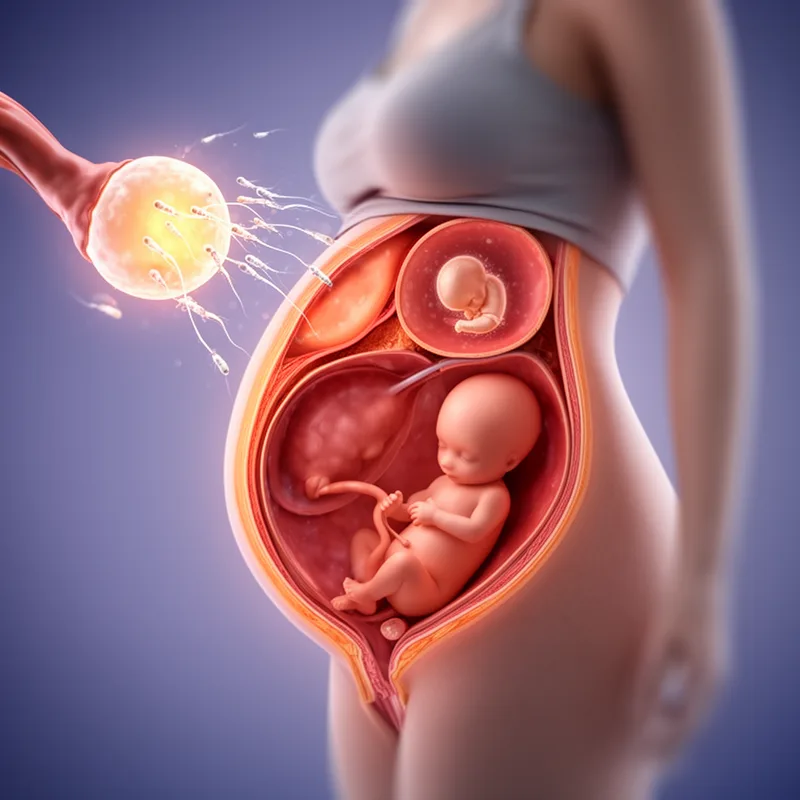
Superfetation occurs when a second ovum is fertilized while a woman is already pregnant.
-
In rare cases of superfetation, two fetuses can develop in the uterus at different stages.
-
Medical experts warn that superfetation can lead to complications during pregnancy.
Surface Forms
Morphology
superfetation = superfetate (semi-transparent) = super + fetate + ion
The prefix 'super-' (extra) plus the medical root signal an additional fetal occurrence, but the term refers to a specialised obstetric phenomenon unlikely to be fully predictable for average learners.
Etymology
Superfetation comes from the Latin parts super- meaning 'above' and fetus meaning 'young' or 'baby', the same root as the English word fetus. So, superfetation literally means a new baby forming 'on top of' an existing pregnancy, which explains why two fetuses of different ages can be in the uterus at the same time.