
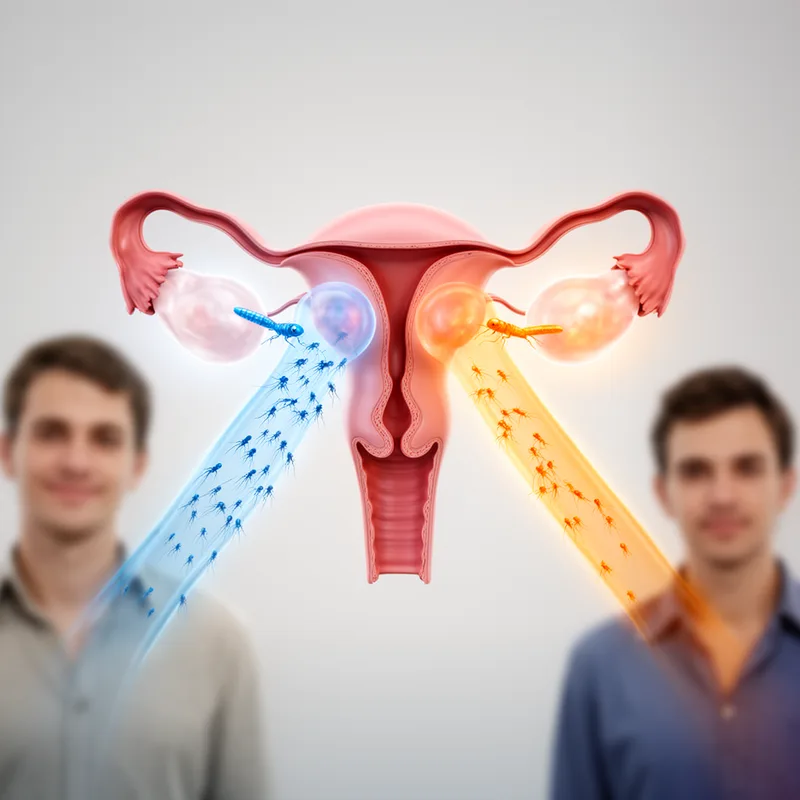
superfecundation


 1
9.9
- noun
- /ˌsuːpərfɪˌkʌndəˈeɪʃən/
- NSFW
- The concept of superfecundation is fascinating.
Examples
-
Researchers studied superfecundation to better understand its genetic implications.
-
Cases of superfecundation in twins are rare but have been documented in medical literature.
-
The phenomenon of superfecundation can result in twins having different fathers.
-
Could superfecundation explain the twins' different fathers?
-
The phenomenon of superfecundation occurs when two different males fertilize separate ova during the same menstrual cycle.
-
Research on superfecundation shows its role in cases of mixed paternity among siblings.
-
Cases of superfecundation are rare but can lead to the birth of fraternal twins with different fathers.
Surface Forms
Morphology
superfecundation = fecundation (opaque) = super + fecund + ation
The base 'fecundation' clearly means 'fertilization', so prefixing with 'super-' yields a discernible 'additional/over' sense, but the term is technical and 'fecund'/'fecundation' are rare, making it less immediately clear to average learners.
Etymology
The word superfecundation comes from the parts super- meaning 'over' or 'more than' and fecund meaning 'fertile', like the familiar word 'fertile'. So it literally means 'more than one fertilization', which is when eggs released in the same menstrual cycle are fertilized by sperm from separate acts, sometimes even from different fathers.