
sulfuration
 1
8.8

- noun
- /ˌsʌlfəˈreɪʃən/
- Specialized
- During sulfuration, metals are treated with sulfur to form a protective sulfide layer.
Examples
-
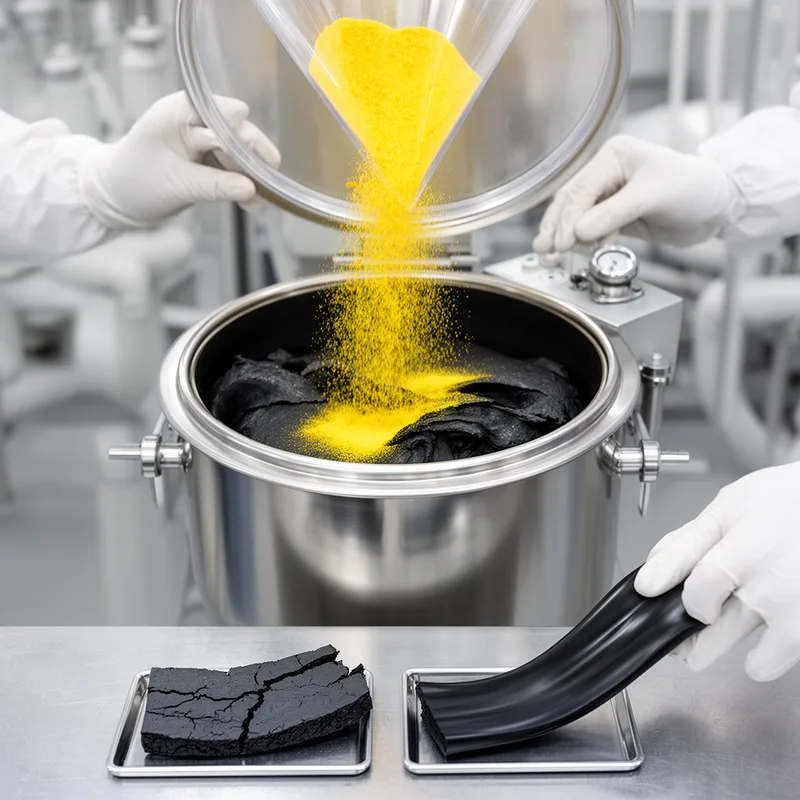
The process of sulfuration is essential in manufacturing to enhance the durability of rubber.
-
Through sulfuration, various materials can be preserved effectively to prevent decay.
-
About half the cysteine used for glutathione synthesis is produced by the trans-sulfuration pathway.
Blog text (19) -
Folic acid and vitamins B6 and B12 are important in the processes of remethylation and trans-sulfuration (Figure 5).
Academic text (2003) -
Large, well-designed intervention studies that link metabolites, cofactors, and genes of the γ-glutamyl cycle and trans-sulfuration pathway with objective behavioral outcomes.
Blog text (19) -
The findings of the six studies that report the outcome of interventions in autism focused on normalizing abnormalities in the -glutamyl cycle or trans-sulfuration pathway metabolites 46, 48, 49, 54, 64 are presented in Table 11.
Blog text (19)
Surface Forms
Morphology
sulfuration = sulfurate (transparent) = sulfur + ate + ion
The noun is formed from the verb 'sulfurate' + the noun-forming suffix '-ion', reflecting the process of treating or combining with sulfur.
Etymology
Sulfuration comes from sulfur, the element that often has a strong 'rotten egg' smell, and it means 'to add or treat with sulfur'. So sulfuration is the process of adding sulfur to a material to change its properties or to protect it, for example forming a protective layer on metal.