

stupor
 17
7.7
17
7.7

- noun
- /ˈstuːpər/
- Specialized
- The medication left her in a hazy stupor, making it difficult to think clearly or focus on the conversation.
- in a drunken stupor
Loading YouTube…
Watch on YouTubeI, I interviewed an Epstein victim, She told me that she was, went into a kind of a stupor.
- I, I interviewed an Epstein victim, She told me that she was, went into a kind of a stupor.
- Yim, in a very drunken stupor, forced them to tell me the the the end.
Examples
-
You were in a stupor.
-
I bolted upright, shook off my stupor, and glanced at the bird cage.
Fiction book (1996) -
I can see how my mom drinks herself into a stupor watching football games.
-
The sound brought the parson's wife out of her stupor, and she began to cry.
Fiction book (1992) -
I came out of my stupor to perk up my ears.
Fiction book (1994) -
The next day, Will arrived in his usual morning stupor and flew past Marla with hardly a nod.
Fiction book (1995) -
Zakhid shook off his stupor and again entered his part.
Fiction book (1996) -
I find them staring at me in a kind of bovine stupor, as if I were lecturing in a foreign language.
-
Finally, it was the shock in Thapa's eyes that raised Jago Antia from the stupor he had fallen into.
Fiction book (1994) -
Midas spent his days in a stupor of splendor, spoiling himself and his beloved daughter and gorging himself on feasts and wine.
Synonyms
 60
7.1
60
7.1
A state when a person is not fully aware and cannot control their actions
 20
5.3
20
5.3
A short time when you feel confused and cannot think clearly
 13
6.0
13
6.0
A state when a person is not awake and not aware of what is happening around them
 6
5.3
6
5.3
A short time when a person is not aware of what is around them and does not respond
 3
8.9
3
8.9
A period of very low energy and little activity
 2
9.5
2
9.5
A state of deep sleep caused by strong pain medicine or anesthesia
 2
6.8
2
6.8
A deep daze when a person is unaware of what is happening
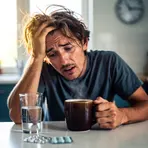 1
4.8
1
4.8
A feeling of being dazed and only partly awake after poor sleep or drinking alcohol


 1
9.5
1
9.5
A state of being so shocked that you cannot think or react
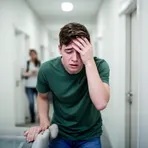 1
4.9
1
4.9
A feeling of weakness and dizziness that can make you pass out

A very deep sleep caused by illness or drugs that is hard to wake from

A state of being partly awake and not fully aware of your surroundings

A state of being partly awake and aware of things around you
Antonyms


How Conscious

Surface Forms
Etymology
Stupor comes from the Latin root stup- meaning 'to be numb or stunned', and it shares this root with common words like stun and stupefy. So, to be in a stupor is to be almost unconscious, numb and unable to think or feel properly.