

stuporous


 1
9.6
1
9.6
- adjective
- /ˈstjuːpərəs/
- Specialized
- Ted emerged from his room like a bear coming out of stuporous hibernation, head tipped downward as if in penance, or like some accident victim pulling himself from the wreckage, and sat down at the table wordlessly.
- stuporous sleep
Examples
-
And I went along there, and Ed was in a stuporous state.
-
He'll probably sleep a day or two, come out stuporous.
-
She sank into stuporous despair.
Fiction book (1999) -
Though strictly speaking, it seemed to him that everything floated, that everything reeled in the stuporous air of violins and rose-colored reflections.
Fiction book (1994) -
When the telephone had rung, waking her from her stuporous sleep, she had the instantaneous, terrified conviction that Michael had been killed or had killed; that he had transgressed beyond his capacity to return.
Fiction book (1997) -
Instead of fleeing, they edged forward, clumsy and tentative as zombies, confused by the brightness of life but full of stuporous menace.
Fiction book (2001) -
After taking the medication, he felt stuporous and struggled to stay awake during the meeting.
-
The flu left her in a stuporous condition, unable to focus on anything around her.
-
He wandered home in a stuporous daze after the long party, barely aware of his surroundings.
Synonyms
 40
4.8
40
4.8
Not able to think and act clearly after a shock or when very tired
 38
2.7
38
2.7
Feeling weak and about to lose consciousness
 29
3.0
29
3.0
Too shocked to move or think clearly
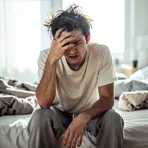 21
5.6
21
5.6
Feeling weak, unsteady, and confused after being very tired, ill, or hit on the head
 18
3.4
18
3.4
Unable to think clearly or react quickly
 1
9.8
1
9.8
Feeling slow and tired after not sleeping, being sick, or taking medicine
 1
7.0
1
7.0
Unable to think or react after a sudden shock

Confused and unable to think clearly because of tiredness or stress
Antonyms


How Conscious

Surface Forms
Morphology
Etymology
Stuporous comes from the Latin root stupor, which means 'numbness' or 'being stunned'. So, to be stuporous is to be partly 'numb' and slow to react, almost like being half-awake after an injury, extreme tiredness, or illness.