

to stucco


 1
6.3
1
6.3
- verb
- /ˈstʌkoʊ/
- Specialized
- To protect against the weather, they decided to stucco the walls of the old garage.
Examples
-
After applying the base layer, they will stucco the surface for a decorative effect.
-
We need to just stucco the whole thing over here.
-
We'll see that the walls are made of tufa, but those walls were stuccoed over with white stucco.
-
The workers will stucco the exterior of the house to give it a smooth finish.
Synonyms
 9
3.4
9
3.4
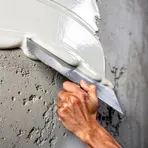
To cover a wall or ceiling with a soft paste to make it smooth
 1
4.5
1
4.5
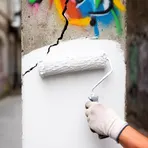
To cover a surface with a layer of material or paint to hide damage
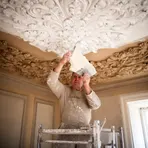
To cover walls or ceilings with decorative plaster

Cover a ceiling with wet paste that dries hard to make it smooth

To cover a wall with two coats of plaster to make it smooth
How Thick
- Specialized
1
6.3
 854
1.0
854
1.0
Surface Forms
Etymology
Stucco (verb) comes from the same Italian stucco (from old Latin stuppa) and literally meant 'to cover with' that plaster. So, to stucco a wall is simply to put that hard, decorative plaster onto the surface.