

stricken
 48
8.0
48
8.0

- adjective
- /ˈstrɪkən/
- No one, least of all the stricken woman, seemed to know.
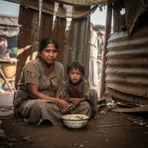
- poverty-stricken
- grief-stricken
- panic-stricken
Loading YouTube…
Watch on YouTubeThirsty, drought stricken, dying of thirst.
- Thirsty, drought stricken, dying of thirst.
- And his name was Franklin D Roosevelt, who was stricken in the prime of his life with polio which destroyed the use of his legs.
- They're realizing you look panic stricken and something's wrong.
- I thought the bodies had been preserved under there like famous prehistoric remains in ice, but no, they are their own shapes of their terror stricken forms.
- They're anxious, they're grief stricken, they're resentful, they're angry.
- This is one of probably the most stressful, awful, humiliating, painful, grief stricken things that has happened to this person.
Examples
-
Some of the grief-stricken relatives let him know that it was not a game.
Academic text (2011) -
'I suddenly felt panic-stricken at the thought of not seeing him again.'
-
So the family, of course, is completely grief stricken, but also really angry.
-
The agencies then send in, you know, emergency supplies to help the people stricken by the extreme event.
-
Transport planes laden with food and medical supplies have already been dispatched to the stricken area.
-
For even at his most grief-stricken, my grandfather was not a man given to self-pity or reflection.
Fiction book (1990) -
The author offers a new translation and allows us to hear in counterpoint the stricken woman's lament.
Academic text (1995) -
She's so grief-stricken she runs to find solace in Mark Levine's bed.
-
The entire community came together to support those stricken by the devastating hurricane.
-
After the tragic news, she was stricken with overwhelming sadness and couldn't speak.
Synonyms
 86
4.1
86
4.1
Be so affected by a strong feeling that you cannot control yourself
 20
7.2
20
7.2
Unable to do normal work and activities because of illness or a serious problem
 20
5.8
20
5.8
Very strongly attracted to someone or something
 19
7.0
19
7.0
Feeling very upset and in deep emotional pain
 12
6.7
12
6.7
Very sad and shocked after losing someone close
 4
6.3
4
6.3
Suddenly very afraid and acting without thinking


 1
7.7
1
7.7
Very upset and shocked after seeing or experiencing something terrible
 1
7.7
1
7.7
Suddenly feeling very frightened
 1
7.2
1
7.2
Feeling very shocked and afraid after seeing something frightening
 1
7.2
1
7.2
So shocked and afraid that you cannot move

Suffering from pain, illness, or trouble

Feeling very strong pain or deep worry

Suddenly very afraid and unable to think clearly

Suddenly feeling very afraid
Antonyms


Compounds
How Affected

Surface Forms
Morphology
Etymology
The word stricken comes from the verb strike, which means 'to hit', so someone who is stricken has been 'hit' by illness, disaster, or a strong feeling and is left seriously affected.