
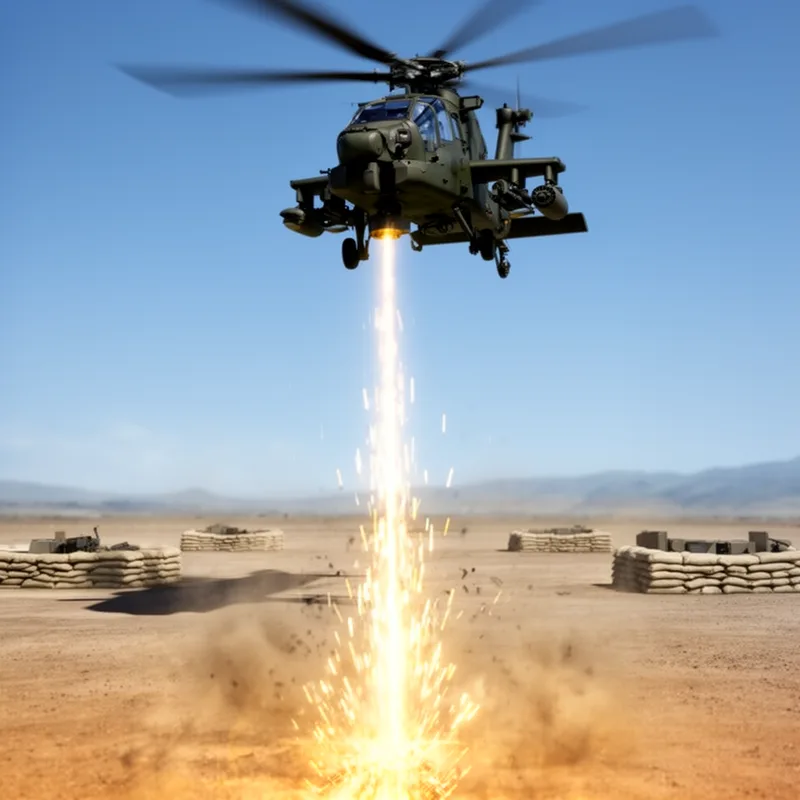
to strafe the area
- phrasal verb
- /streɪf ði ˈɛəriə/
- Specialized
- Helicopters were used to strafe the area and suppress enemy fire.
Examples
-
The fighter planes were ordered to strafe the area before the infantry advanced.
-
Don't strafe the area without orders!
-
They had to strafe the area in response to reports of hostile movement.
-
The pilot decided to strafe the area to eliminate enemy positions.
-
The fighter jets strafed the area, hitting enemy positions with accurate gunfire.
-
During the simulation, the drones strafed the designated target area to assess potential damage.
-
The military operation involved aircraft that strafed the area to provide cover for ground troops.
How Violent


Surface Forms
Morphology
The verb 'strafe' literally means to attack ground targets from a low-flying aircraft, and adding 'the area' simply specifies the location of that action. This is a straightforward verb + object composition (literal, not idiomatic); although 'strafe' is specialized military vocabulary, a B1 learner who knows the constituent words can derive the MWE meaning.
Etymology
Strafe the area may come from an old word strafe meaning 'to punish', but the phrase gives a clear picture: a plane flying low and firing its machine guns across a stretch of ground—the area. That's why it means 'to attack a place from the air with machine-gun fire'.