
stover
 1
9.9
1
9.9

- noun
- /ˈstoʊvər/
- Specialized
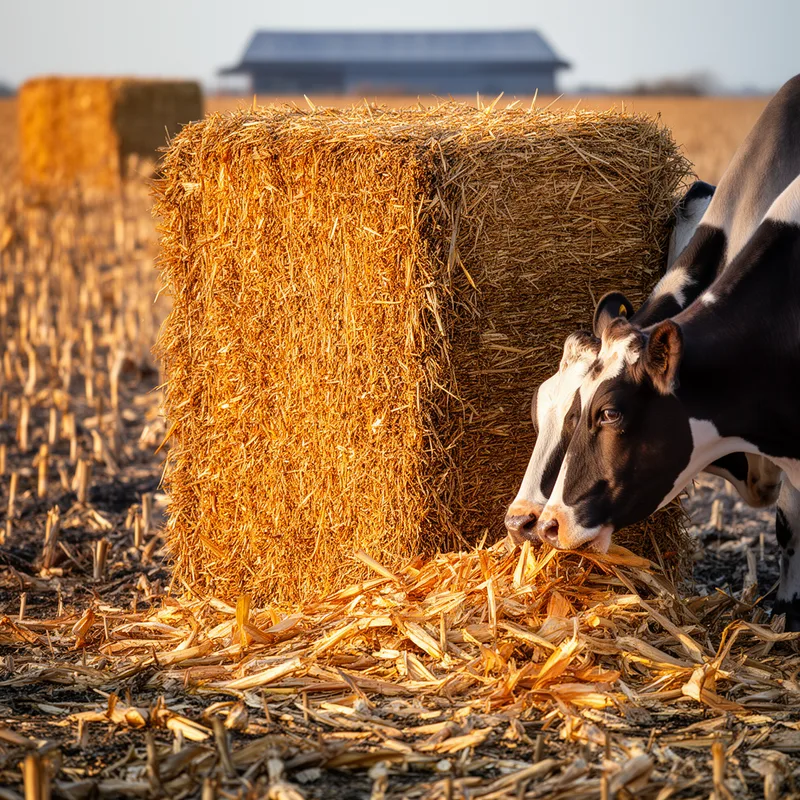
- The livestock grazed happily on the stover left behind after the corn harvest.
- corn stover
Examples
-
In autumn, the fields are filled with dry stover from the maize, providing fodder for animals.
-
It's difficult and expensive to amass enough corn stover, for instance, to produce a high volume of ethanol.
Academic text (2001) -
Agricultural residues such as corn stover, sugar cane bagasse, and rice hulls may be the most extensively studied sources of biomass.
Academic text (2001) -
Cellulosic feedstocks include corn stover, switchgrass, poplar trees, and any other raw material composed primarily of cellulose.
Academic text (2008) -
PHOTO (COLOR): The corn stover being evaluated by soil scientist Jane Johnson is a potential feedstock for gasification and cellulosic ethanol production.
Academic text (2006) -
By their very nature, agricultural residues (such as rice straw in California and corn stover in the Midwest) and forest slash from thinning are difficult and expensive to collect.
Academic text (1999) -
These are non-food crops and include waste biomass, corn stover, stalk of wheat, and special energy or biomass crops, and have no undesirable effect on the food chain.
Blog text (13) -
Farmers often leave some stover in the field to help maintain soil health.
Synonyms
 4
5.3
4
5.3
Food like hay or stalks that farmers give to animals
Surface Forms
Etymology
Stover comes from an old northern European word for the short stalks or 'stubble' left in the field after harvest. That's why stover today means the dried stalks and leaves farmers keep to feed animals.