
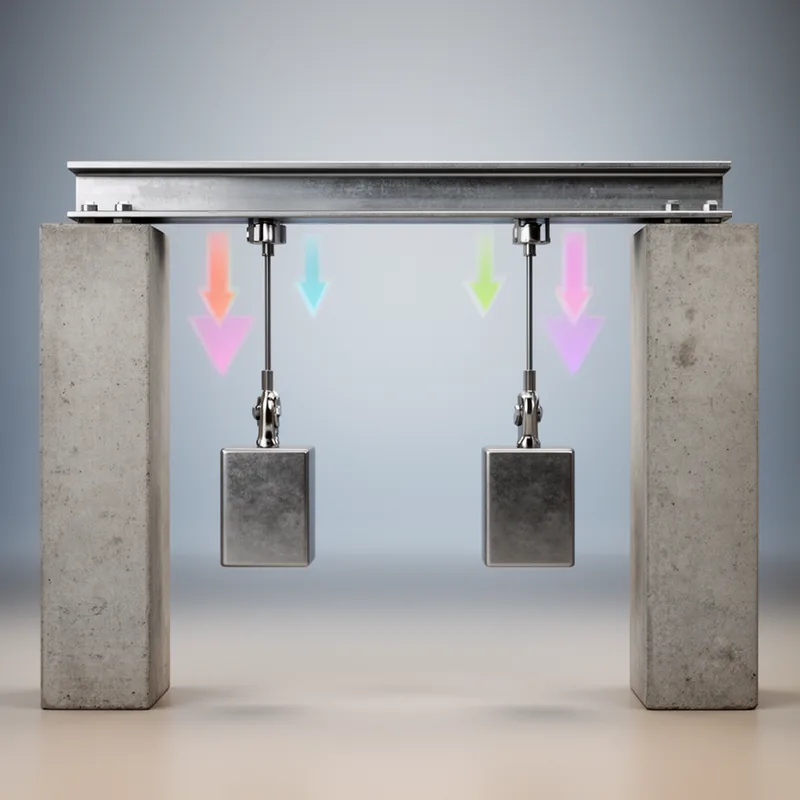
statical
8.1
Not moving or changing, used about forces on objects in balance
- adjective
- /ˈstætɪkəl/
- Archaic
:
estático
- The engineer explained the importance of statical analysis in building design to ensure safety.
Examples
-
There, the columns are free-standing; here, for statical reasons, they had to be recessed into the wall.
Academic text (1992) -
The statical equilibrium of the structure was critical for its stability during the earthquake.
-
In physics, understanding statical forces helps us predict how objects will behave while at rest.
Synonyms

static
vsstatical
 45
3.8
45
3.8

Not moving or changing over time
is the technical term used for resting forces and equilibrium in science

nondynamic
vsstatical
6.4
Stays the same and does not change
is specifically about rest and equilibrium in science rather than general stillness

9.2
Not moving and fixed in one place
emphasizes scientific rest and forces not merely fixed position
Antonyms


How Unchanging

Surface Forms
statical positive
Morphology
Etymology
The word statical comes from the same root as static and stationary, the old root stat- meaning 'to stand'. So statical describes something that 'stands' still or does not change, and in science it refers to forces or objects that are 'at rest'.