
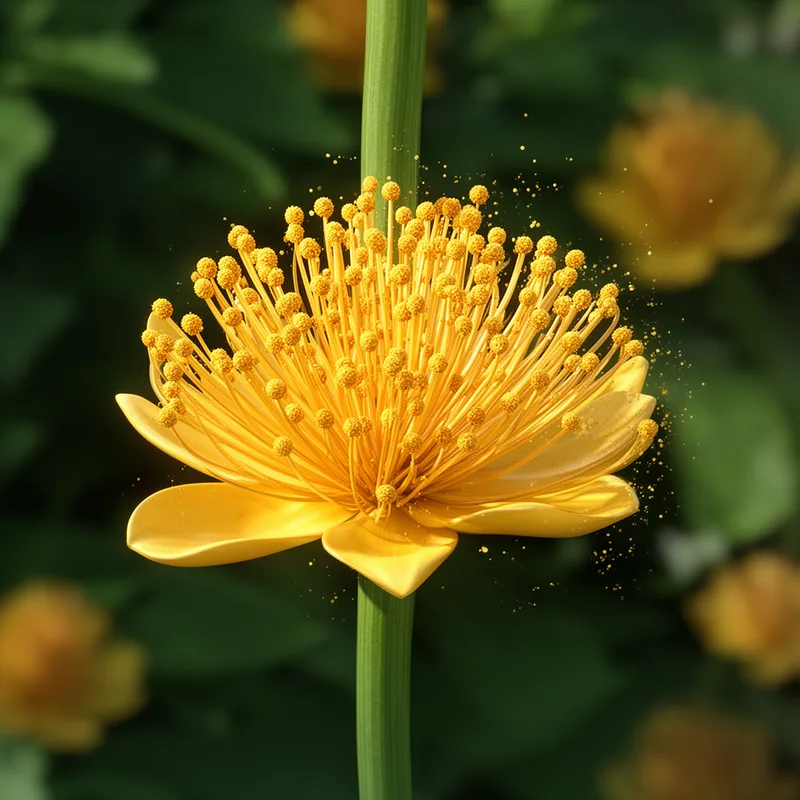
staminate


 1
9.9
- adjective
- /ˈstæməˌneɪt/
- Specialized
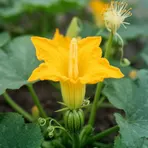
- Some trees produce separate staminate and pistillate blossoms on the same individual.
Examples
-
The staminate flowers release pollen early in the season to fertilize nearby plants.
-
The staminate flowers bloom in early spring.
-
Biologists examined the staminate structures to study the plant's reproductive cycle.
-
In botany, a staminate plant is crucial for pollination.
-
The staminate flowers bloomed early in the season, attracting many bees that sought pollen.
-
In many species, staminate plants are common, showcasing their bright yellow pollen-laden anthers.
-
She studied the staminate buds under the microscope to better understand their role in pollination.
Antonyms
Surface Forms
Morphology
Etymology
Staminate comes from the Latin word stamen, which meant 'thread' and later became the name for the male parts of a flower called the stamens. So a staminate flower has these stamens and makes pollen, meaning it is the male part of the plant.