
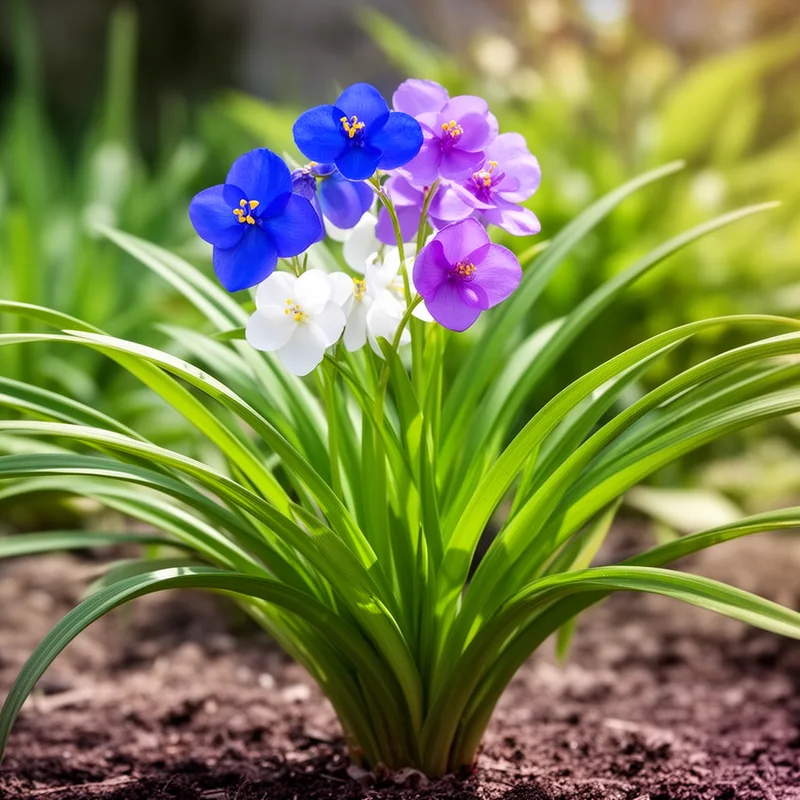
spiderwort


 1
9.9
- noun
- /ˈspaɪdərˌwɔrt/
- Specialized
- However, there are eight other species of spiderwort that are native to Oklahoma, including hairyflower spiderwort (Tradescantia hirsutiflora), which has been mistaken for Virginia spiderwort even in herbarium collections and was not even described as a separate species until 1935.
- blue spiderwort
Examples
-
However, there are eight other species of spiderwort that are native to Oklahoma, including hairyflower spiderwort (Tradescantia hirsutiflora), which has been mistaken for Virginia spiderwort even in herbarium collections and was not even described as a separate species until 1935.
Academic text (2011) -
In the garden, beautiful spiderwort flowers bloomed in shades of blue and purple.
-
The botanical expert identified the spiderwort as a member of the Commelinaceae family.
-
During spring, the vibrant spiderwort added color to the landscape with its three-petaled flowers.
Synonyms
 1
8.5
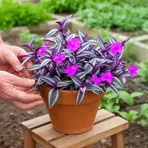
A plant that people grow for its bright flowers and pretty leaves
Compounds
- Specialized
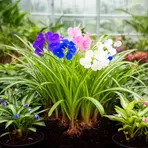
A large group of plants that usually live many years, like spiderworts
Surface Forms
Morphology
Etymology
Spiderwort is made of spider and wort, where wort is an old English word for 'plant' or 'herb'. A helpful way to remember the name is to imagine the plant's thin flowers or stems like a spider's thread, so spiderwort is simply a common name for that garden plant with long leaves and three-petaled flowers.