
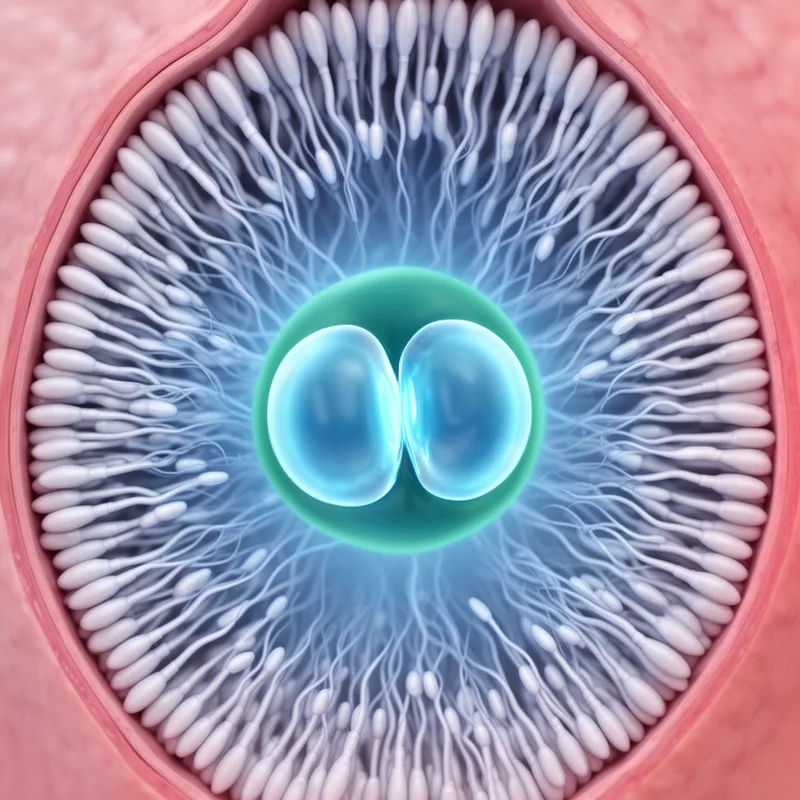
spermatogonium
- noun
- /ˌspɜrˌmætəˈɡoʊniəm/
- Specialized
- The spermatogonium in the testes undergoes mitosis to produce primary spermatocytes.
Examples
-
Amh-mutated males showed hypertrophic testes with excess proliferation of Vasa-positive spermatogonium-like cells within the lobules.
Academic text (2017) -
In contrast, abnormal structures were detected in the hypertrophic testes, in which numerous spermatogonium-like cells were filled, whereas only a few spermatids and spermatozoa were seen (Figure 1, G and H).
Academic text (2017) -
During spermatogenesis, each spermatogonium can give rise to four sperm cells.
-
Researchers studied the role of the spermatogonium in male fertility and sperm production.
How Mature
- Specialized


 1
9.6
1
9.6

- Specialized
- Specialized
- Specialized
- Specialized
Surface Forms
Morphology
Etymology
Spermatogonium comes from Greek parts sperma ('seed') and gonos ('offspring'), and it names the little 'seed' cell that starts to make sperm. Think of it as a tiny seed in the testes that divides to produce many sperm, which is why the word means the starting cell for sperm production.