
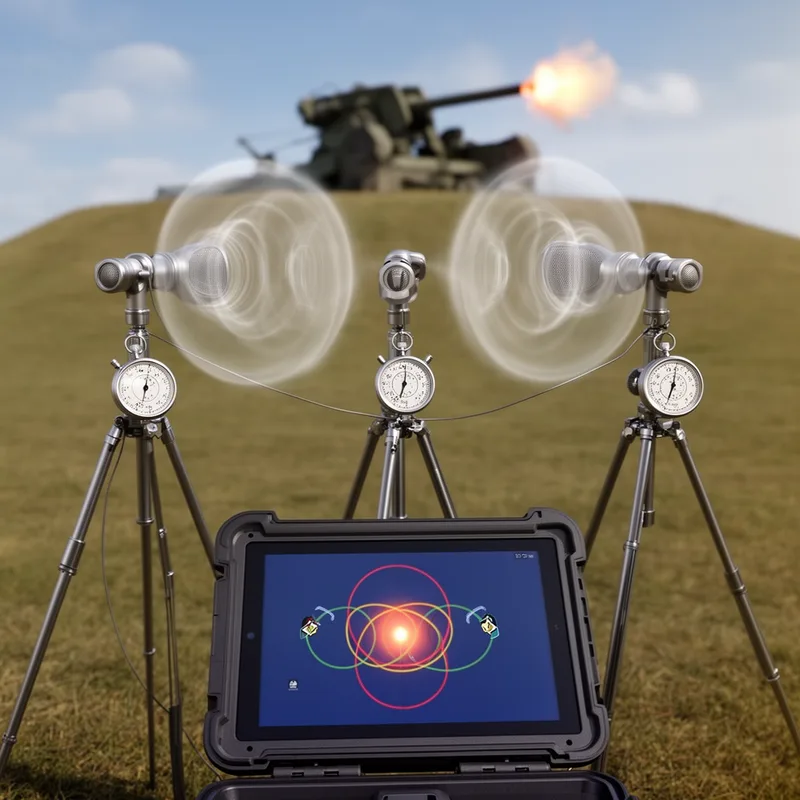
sound ranging
- noun
- Specialized
- Modern engineers have improved sound ranging techniques for use in urban environments.
- sound ranging system
Examples
-
The military uses sound ranging to locate enemy positions.
-
The accuracy of sound ranging depends on the precise placement of microphones and timing devices.
-
During World War I, armies frequently used sound ranging to pinpoint the location of enemy artillery.
-
Have you heard about sound ranging in modern warfare?
-
The military used sound ranging to accurately locate enemy artillery positions.
-
With sound ranging, they could determine the source of the gunfire within seconds.
-
The effectiveness of sound ranging greatly improved their targeting accuracy during the battle.
Synonyms
 7
7.0
7
7.0

A way of finding objects by listening to echoes, as bats and dolphins do
 3
6.6
3
6.6
A device that measures how far away something is

A device that makes pictures showing where sounds come from and how loud they are
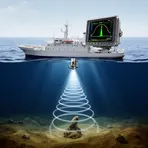
A way to find water depth and underwater objects by sending sound and measuring its return time
How Accurate

Surface Forms
Morphology
The compound 'sound ranging' literally combines 'sound' and the gerund 'ranging' (measuring/estimating range), so its meaning — measuring or estimating the distance/location of a sound source — is directly inferable from the constituents. Although the term is somewhat technical, the composition follows regular English patterns (noun + gerund) and a B1 learner who knows the words would grasp the general idea of locating or measuring sounds.
Etymology
Sound ranging comes from a simple idea: teams place microphones in known spots and note which one hears a sound first, so they can work out the ranging — the place the sound came from. That's why sound ranging means 'locating the source of a sound', for example the position of an enemy gun.