

sonata
 9
7.8
9
7.8

- noun
- /səˈnɑːtə/
- Beethoven was 23 when he composed his first piano sonata.
- Mozart sonata
- Beethoven sonata
- piano sonata
Loading YouTube…
Watch on YouTubeAnd this is this is the first movement of the Sonata for Trumpet, Cello and Piano composed by Greg Hopkins.
- And this is this is the first movement of the Sonata for Trumpet, Cello and Piano composed by Greg Hopkins.
- You know the bird song, a sunrise, a beautiful piece of poetry, a great Sonata or other piece of music, the laugh of your child, a beautiful home cooked meal.
Examples
-
Who doubts the greatness of Beethoven's piano sonatas and string quartets or of Schubert's songs?
Blog text (4) -
Ana has played that sonata two or three times.
Academic text (2006) -
I always loved that sonata of his.
-
The last movement of a sonata.
-
I should have played Jason's sonata for the jury.
-
Yeah, he wrote some beautiful piano sonatas.
-
In three days, he developed the melody into sonata form, scoring it for piano and violin.
Fiction book (1996) -
"You should play Mozart sonatas every day," he explained.
Academic text (2007) -
He loved classical music and I grew up hearing Mendelssohn's Elijah and Beethoven's Spring Sonata coming from the studio.
-
At the concert, she performed a stunning sonata by Mozart, captivating the audience with its complexity.
Compounds
 1
4.9
1
4.9
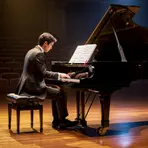
A piece of music for one piano, usually in several parts with different speeds and moods

- Specialized
A musical pattern with three main parts used at the start of many symphonies and sonatas
How Complex

Surface Forms
Etymology
Sonata comes from the Italian verb sonare, which means 'to sound' or 'to play' and is the same root as English sound. So a sonata is a musical piece meant to be 'sounded' by instruments rather than sung, which is why sonatas are usually for piano or violin and have several parts.