
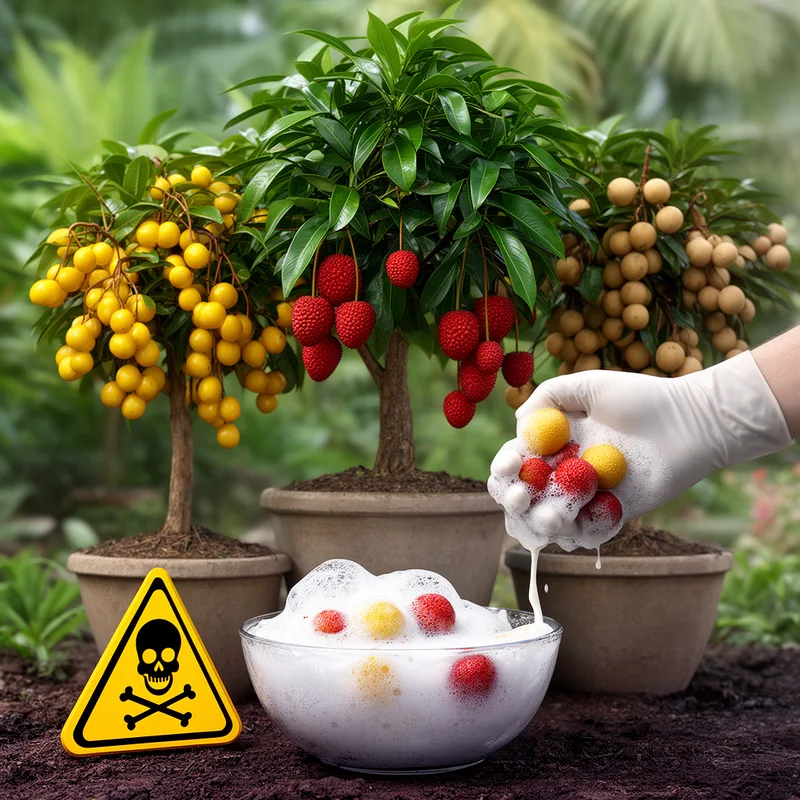
soapberry family
- noun
- /ˈsoʊpˌbɛri ˈfæmɪli/
- Specialized
- The lychee tree is a well-known member of the soapberry family.
Examples
-
Many plants in the soapberry family produce saponins, which can be toxic in large quantities.
-
Botanists grouped the new species with the soapberry family after extensive genetic studies.
-
The soapberry family includes many tropical plants.
-
Did you know the soapberry family produces toxic saponins?
-
The lychee tree is a well-known member of the soapberry family, which is characterized by its leathery drupes.
-
Many plants in the soapberry family produce saponins, compounds that can be harmful if ingested in large amounts.
-
Botanists identified a new species within the soapberry family, known for its tropical and subtropical habitat.
Synonyms
A family of trees and shrubs from warm regions like maple or lychee
Surface Forms
Morphology
The phrase is directly compositional: 'soapberry' names a type of plant and 'family' denotes a taxonomic grouping, so a B1 learner who knows both constituents can infer this refers to the plant family related to soapberries. The noun‑phrase pattern 'X family' (e.g., 'rose family') is a common, cross‑linguistic way to name biological families, making the meaning transparent.
Etymology
Soapberry family comes from trees that make fruit called soapberries which foam like 'soap' when you crush them in water, so people once used them for washing. 'Family' means a group of related plants, so the name now describes the group of trees and bushes that produce these soapy fruits.

