
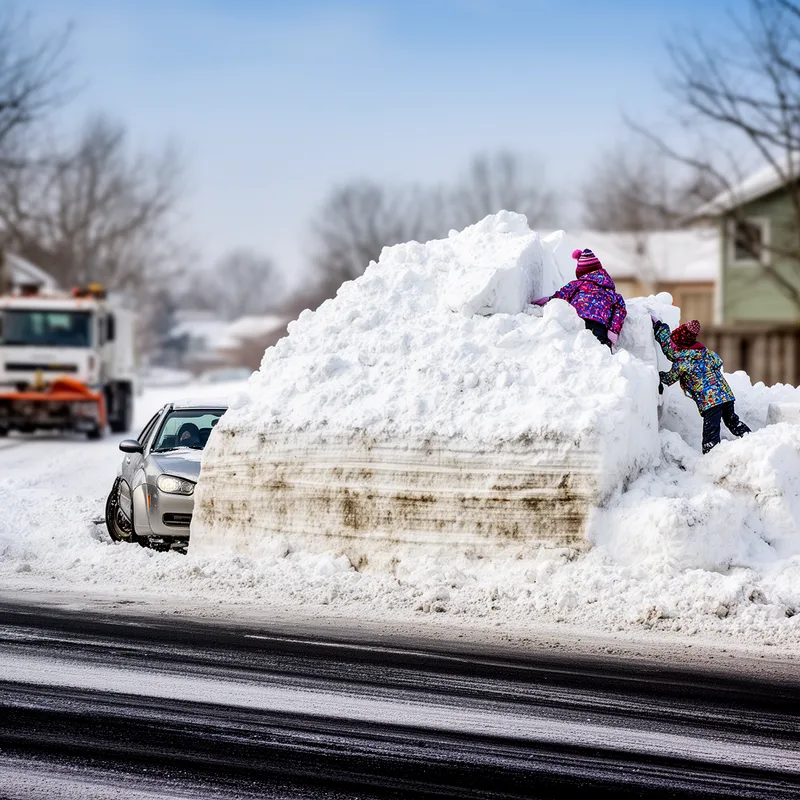
snow bank
 1
1.9
1
1.9

- noun
- /snoʊ bæŋk/
- UK
- For that reason alone, I felt compelled to follow her tracks, up over a snow bank and into the woods.
Examples
-
Attention you hooligans behind that snow bank!
-
You turned in the Canyon to the snow bank where I fell.
-
I slipped off the roof... and I smacked down into a snow bank like a ton of stupidness.
-
That fake snow bank on the Santa Claus side looked comfortable, right next to the Christmas tree, leaning to the left just a tiny bit more than when I'd first seen it, the only imperfection in the whole display.
Fiction book (1997) -
After the snowstorm, the children built a fort with the snow bank that formed beside the road.
-
He accidentally drove into the snow bank, which stopped his car from sliding off the road.
-
During their winter holiday, they had fun sliding down the snow bank behind their cabin.
Synonyms
 8
2.0
8
2.0
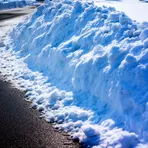
A large pile of snow on the ground, often by a road
 5
3.4
5
3.4
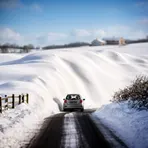
A deep pile of snow made by wind that can block roads

A pile of snow that forms naturally or when people shovel
How Big

Surface Forms
Morphology
The phrase denotes a bank (raised mound) made of snow, so its meaning is directly compositional from 'snow' (frozen precipitation) + 'bank' (a raised embankment or heap). This noun–noun combination follows a common productive pattern in English and is likely understandable to a B1 learner who knows both constituent senses.
Etymology
Snow bank comes from a simple image: snow pushed by wind or by plows into a raised edge called a bank. So it means a 'mound' or 'pile' of snow at the side of a road or field.