
smectite


 1
9.2
- noun
- /ˈsmɛktaɪt/
- Specialized
- The analyses showed substantial percentages of minerals from the smectite group, indicating that Indian-derived clays were deposited in the Maldives.
- smectite clay
Examples
-
In contrast, the natural loamy soil at site 2 comprises approximately 20% clay, quartz, and smectite with high organic content (38% weight organic carbon).
Academic text (2017) -
In construction, smectite is used in various applications due to its unique properties, such as sealing and stabilizing soils.
-
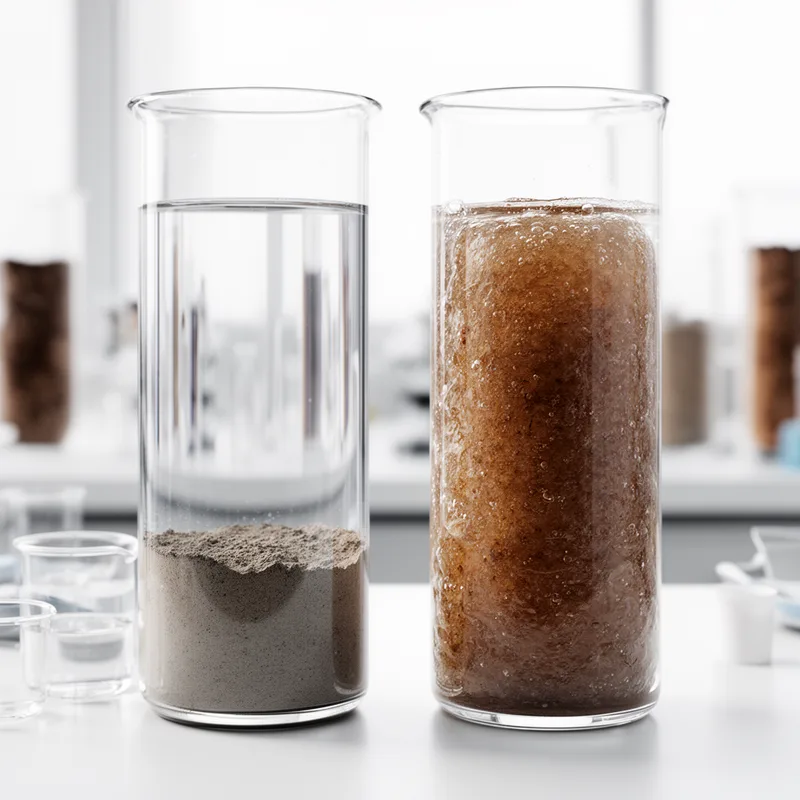
The geologist explained that smectite is a type of clay mineral known for its ability to absorb water and expand.
-
Farmers often add smectite to their soil to improve its water retention and nutrient-holding capacity.
Synonyms
 1
8.9
A soft clay that soaks up water and comes from volcanic ash
 1
9.9
A soft clay that swells when it takes in water and is used in industry
Surface Forms
Morphology
smectite = smect + ite
The combining form 'smect-' is not a recognisable standalone English base for most learners, so the meaning of the technical mineral name cannot be derived from its parts despite the mineral-forming suffix '-ite'.
Etymology
Smectite comes from the Greek root smēkt- meaning 'to clean' or 'soap', a helpful way to remember that these clays can feel smooth and soak up liquids like a sponge. That's why smectite is used for clays that absorb water and swell.