

skeeter hawk
- noun
- /ˈskiːtər hɔk/
- US
- A skeeter hawk darted over the pond, catching mosquitoes just above the water's surface.
Examples
-
My grandmother always called dragonflies skeeter hawks because they eat so many bugs.
-
Children watched as the brilliant blue skeeter hawk hovered near the reeds.
-
Look at that beautiful skeeter hawk flying over the pond.
-
The skeeter hawk glided gracefully through the air.
-
A skeeter hawk darted over the pond, catching mosquitoes just above the water's surface.
-
Children watched as the brilliant blue skeeter hawk hovered near the reeds.
-
My grandmother always called dragonflies skeeter hawks because they eat so many bugs.
Synonyms
 15
1.4
15
1.4

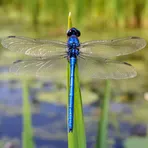
A fast insect with a long thin body and two pairs of clear wings held out when resting


 1
6.8
1
6.8
A large slender insect with shiny wings that eats mosquitoes

A slender flying insect with long body and clear wings often found near water
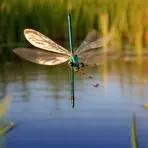
A slender insect with bright shiny wings that eats mosquitoes and small insects
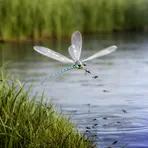
A long thin insect with clear wings that eats mosquitoes near water
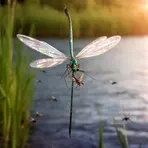
A long, thin insect with bright, shiny wings that eats mosquitoes
Surface Forms
Morphology
skeeter + hawk
The compound combines 'skeeter' (mosquito) + 'hawk' (a predator), so a learner who knows the constituents can infer it denotes something that preys on mosquitoes. However, the specific identification as a dragonfly (an insect) rather than a bird is dialectal/metaphorical and not fully predictable from the parts, so the relation is only partially transparent.
Etymology
Skeeter hawk may come from the two words skeeter, meaning the word 'mosquito', and hawk, meaning a bird that hunts, creating the picture of a small hawk chasing bugs. People imagined this little hunter catching many mosquitoes, so the name came to mean the 'dragonfly' that eats lots of insects.