

single-leaf pine
- noun
- /ˈsɪŋɡəl liːf paɪn/
- Specialized
- Unlike other pines, the single-leaf pine has only one needle per bundle.
Examples
-
Native Americans have long collected seeds from the single-leaf pine for food.
-
The single-leaf pine thrives in dry regions and provides an important food source for wildlife.
-
The single-leaf pine grows in arid regions.
-
I saw a single-leaf pine on my hike.
-
Native Americans have long collected seeds from the single-leaf pine for food.
-
The single-leaf pine thrives in dry regions and provides an important food source for wildlife.
-
Unlike other pines, the single-leaf pine has only one needle per bundle.
Synonyms
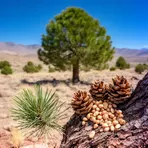
A pine tree with single needles that makes edible nuts
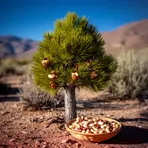
A small pine tree with one needle in each group and edible nuts, native to the United States southwest
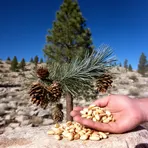
A pine tree with one needle per bundle that makes nuts people eat
Surface Forms
Morphology
single-leaf + pine
The phrase denotes a pine tree that has single leaves/needles; this meaning is directly compositional from 'single' + 'leaf' modifying 'pine'. Although 'single-leaf' is not listed as a headword, the adjective+noun structure is transparent and follows common descriptive patterns, so a B1 learner who knows 'single', 'leaf', and 'pine' can infer the meaning.
Etymology
Single-leaf pine names a small pine that really has only one needle in each bundle, so the parts single-leaf (one needle) and pine (the tree) give a clear picture. People in the dry American southwest long collected its tasty 'piñon' or 'edible seeds', so the name also helps you remember the tree for its useful seeds.

