

silk grass
- noun
- US
- The resilient nature of silk grass makes it well-suited to the arid plains of northern Mexico.
Examples
-
Ranchers often rely on silk grass as a primary food source for cattle in dry regions.
-
During droughts, silk grass remains one of the few grasses that continue to thrive.
-
The silk grass thrives in arid conditions.
-
Farmers in Arizona often plant silk grass for livestock.
-
Farmers in the region often plant silk grass as it thrives in the dry upland areas.
-
The wildlife conservation area has abundant patches of silk grass, providing essential forage for local animals.
-
Many ranchers select silk grass due to its durability and ability to grow in harsh conditions.
Synonyms

A grass that animals eat in dry high places and plains of western North America and northern Mexico

A grass that grows on dry plains and feeds animals like cattle

A grass that grows every year in dry western North America and that farm animals eat
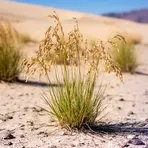
A grass with seeds like small grains that grows in dry places in North America
Surface Forms
Morphology
silk + grass
This is a straightforward noun compound where 'silk' functions as a modifier describing a quality and 'grass' names the plant, so a learner who knows both words will infer it denotes a type of grass with a silky appearance or texture. While they may not deduce the specific ecological range or its value as forage, the basic referent (a kind of grass) and the modifying sense are compositionally transparent.
Etymology
Silk grass may get its name from the silky hairs on its leaves and seed heads that look like silk in dry fields. Because this soft-looking plant is one of the few useful foods for animals in dry areas and plains, the name came to mean a 'valuable forage' grass for ranchers.

