
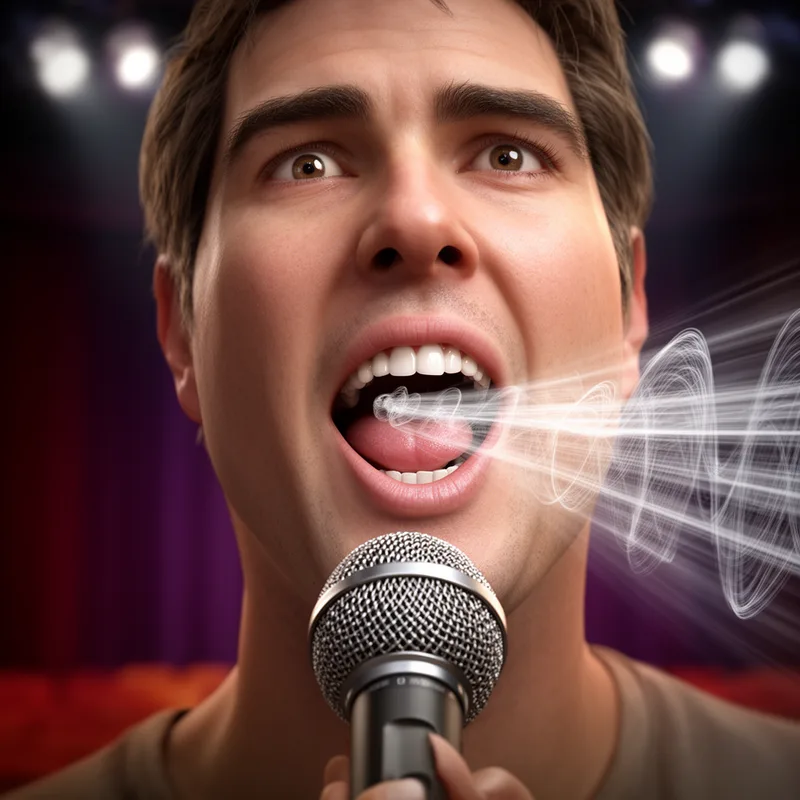
to sibilate
- verb
- /ˈsɪbəˌleɪt/
- The actor intentionally sibilated the 's' in 'snake' for dramatic effect.
Examples
-
The audience began to sibilate during the awkward silence.
-
Some speakers of Spanish noticeably sibilate when pronouncing certain words.
-
She sibilated each syllable of the tongue-twister, making the phrase sound almost musical.
-
Don't sibilate!
-
The actor intentionally sibilated the 's' in 'snake' for dramatic effect.
-
She sibilated each syllable of the tongue-twister, making the phrase sound almost musical.
-
Some speakers of Spanish noticeably sibilate when pronouncing certain words.
Synonyms
 31
1.9
31
1.9

To make a sharp, high sound like a snake or steam escaping
 3
9.6
3
9.6
Make a short, quiet sound with the tongue to show disapproval


 1
9.1
1
9.1
Make a short clicking sound with the tongue to show you do not approve

To make a sharp hissing sound to show disapproval

Tell someone to be quiet by making a soft sound with your mouth
Surface Forms
Morphology
sibilate = sibilant (transparent) = sibil + ate
The verb is formed from the stem 'sibil-' (as in 'sibilant') plus the productive verb-forming suffix '-ate', yielding 'to make a hissing sound'.
Etymology
The word sibilate comes from the old Latin word sibilare, which means 'to hiss' and is the source of the English word 'sibilant' and the simple word 'hiss'. So to sibilate is to make or say a 's' or 'sh' hissing sound, often to show disapproval.