

shelterbelt


 1
6.7
1
6.7
A row of trees or bushes planted to protect fields from wind and soil loss
- noun
- /ˈʃɛltərˌbɛlt/
- Specialized
 :
cortavientos
:
cortavientos
- A well-maintained shelterbelt not only shields the land from wind but also provides habitat for wildlife.
Examples
-
The shelterbelt around the barn helped to reduce soil erosion during the storm.
-
Aerially harassed blackbirds would often take refuge in row crops, shelterbelts, or dense cattail stands until the pursuit ended.
Academic text (2011) -
Farmers often plant a shelterbelt of trees to protect their crops from strong winds.
Synonyms
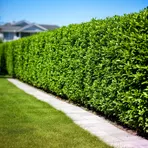
hedge
vsshelterbelt
44
2.0
A row of closely planted bushes that forms a low natural fence
is planted mainly to shelter from wind and prevent soil erosion

windbreak
vsshelterbelt
3
4.1
A row of trees or a fence that protects land from strong wind
is planted only with trees or shrubs rather than including fences
How Protective

Surface Forms
shelterbelt singular
shelterbelts plural
Morphology
Etymology
Shelterbelt comes from two simple words: shelter ('protection') and belt ('a narrow band'). It means a 'belt' of trees or shrubs planted to protect fields from wind and to stop soil from being blown or washed away.