

sheep polypore
- noun
- /ʃip ˈpɒlɪpɔr/
- Specialized
- We discovered a cluster of sheep polypore growing beneath the pine trees during our hike.
Examples
-
I found a sheep polypore while hiking in the forest.
-
While hiking in the woods, we came across a large sheep polypore growing at the base of a conifer.
-
Although sheep polypore is edible, many foragers prefer mushrooms with more flavor.
-
The sheep polypore is sometimes collected by mushroom enthusiasts despite its bland taste.
-
The sheep polypores in this area are quite abundant.
-
The sheep polypore is known for its distinct whitish cap and is often found under fir trees.
-
After identifying the edible sheep polypore, the foragers carefully harvested it for dinner.
Synonyms


 1
9.9
1
9.9
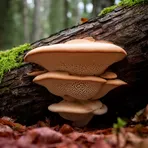
A fungus that grows on wood in flat shelf-like shapes with small holes underneath
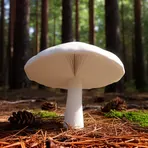
An edible white mushroom with a round cap, white pores, and a central stalk that grows under pine trees
Surface Forms
Morphology
This noun–noun compound clearly names a type of polypore, so a B1 learner who knows 'sheep' and 'polypore' will understand it denotes a polypore associated in some way with sheep. However, the exact nature of that association (habitat, eaten by sheep, resemblance, etc.) and specific properties like edibility or habitat are not predictable from the constituents alone, so the relation is only partially transparent.
Etymology
Sheep polypore may come from old shepherds who found this pale, round fungus where their sheep grazed, and the second part, polypore, simply means a mushroom with 'many pores' on its bottom. So the name gives a clear picture of an edible mushroom with lots of tiny holes often found under pine trees, which helps you remember what it is.