
serotonin
 20
5.2

- noun
- /ˌsɛrəˈtoʊnɪn/
- Specialized
- Their electrolytes and hydration levels were checked, their serotonin levels elevated against post-Shift depression.
- serotonin reuptake
- serotonin reuptake inhibitor
- serotonin levels
Loading YouTube…
Watch on YouTubeBut then when we go into REM sleep, serotonin is shut off.
- But then when we go into REM sleep, serotonin is shut off.
- You get increases in serotonin, which helps regulate your mood.
- And the gut has more of the neurotransmitter serotonin in it than the brain does.
- There is a lack of serotonin and dopamine.
- Let's give you a medication, SSRI, to increase your serotonin levels.
- They had higher gut serotonin levels than the control group.
- But it also releases a big fat dose of serotonin.
- He talks about work that produces dopamine, work that produces serotonin.
- And that is one of those things that really stimulates both dopamine and serotonin.
- You know that blue light and daylight triggers serotonin when the sunsets?
- That is getting that bubble bath with the dopamine, serotonin, endorphins going.
- You feel oxytocin and serotonin being understood.
Examples
-
And the gut has more of the neurotransmitter serotonin in it than the brain does.
-
So, you know, blocking serotonin reuptake is one way to treat depression.
-
Plus, we maintain careful control over their serotonin levels.
-
You believe that low levels of serotonin give rise to aggression.
-
Just the physical act of smiling causes the serotonin to be released.
-
You get increases in serotonin, which helps regulate your mood.
-
The balance of oxytocin and serotonin in your system is unusual.
-
The aggression is most likely brought on by massive reductions in serotonin levels.
-
The drugs work by artificially boosting brain levels of serotonin, one of the mood neurotransmitters.
Academic text (2011) -
Eating foods rich in carbohydrates can help increase your body's production of serotonin, which plays a role in regulating mood.
Synonyms

 1
6.8
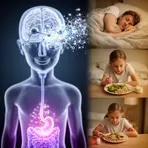
A chemical in the brain and body that affects mood, sleep, and appetite
Compounds

- Specialized
1
6.5
A medicine that treats depression by raising a brain chemical called serotonin
Surface Forms
Etymology
Serotonin comes from sero- meaning 'serum' (the liquid part of blood) and -tonin from 'tonic', meaning 'tone' or 'strength'. It was first named for a blood substance that changed muscle 'tone', and today serotonin is a brain chemical that helps set the 'tone' of mood, sleep, and other body functions.