

sentiency
- noun
- /ˈsɛnʃiənsi/
 :
sentiencia
:
sentiencia
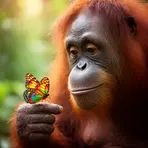
- Many scientists believe that certain animals exhibit a level of sentiency that allows them to feel pain and emotions.
- movements demonstrating sentiency
Examples
-
Charlotte Smith, publishing verses on the Floral Clock eighteen years after "The Loves of the Plants," produces greater scientific distance from Linnaeus and mechanism, reevaluating debates about horological flowers' movements as demonstrating sentiency and agency, as well as Time's capacity to generate "domestic bliss."
Academic text (2017) -
I argue that such vene treatments of plants and flowers participate in a larger, contemporary framework in which naturalists and poets explored and debated plants' movements, sentiency, and timekeeping mechanisms, particularly in relation to what became known as the Floral clock.
Academic text (2017) -
"For him, the flower's conjunction of time with movement and feeling culminates in his own response—the speaker feels moved—rather than in consideration of the flower's possible sentiency or movements.
Academic text (2017) -
The research focuses on the sentiency of various species, exploring their ability to perceive their environment.
-
Discussions about animal rights often center around the sentiency of creatures we once considered merely instinctual.
Synonyms

 157
5.6
157
5.6

Being awake and able to notice your body and surroundings
 8
6.6
8
6.6
Ability to feel physical things like touch or pain
 7
8.2
7
8.2
The ability to feel and notice things, like pain or happiness
 4
7.6
4
7.6
The state of being aware and able to think
How Sentient

Surface Forms
Morphology
Etymology
The word sentiency comes from the old Latin word sentire, which means 'to feel'. It shares this root with sense and sensitive, so sentiency is the ability to feel or notice things in the world.