
semitropics
- noun
- /ˌsɛmɪˈtrɒpɪks/
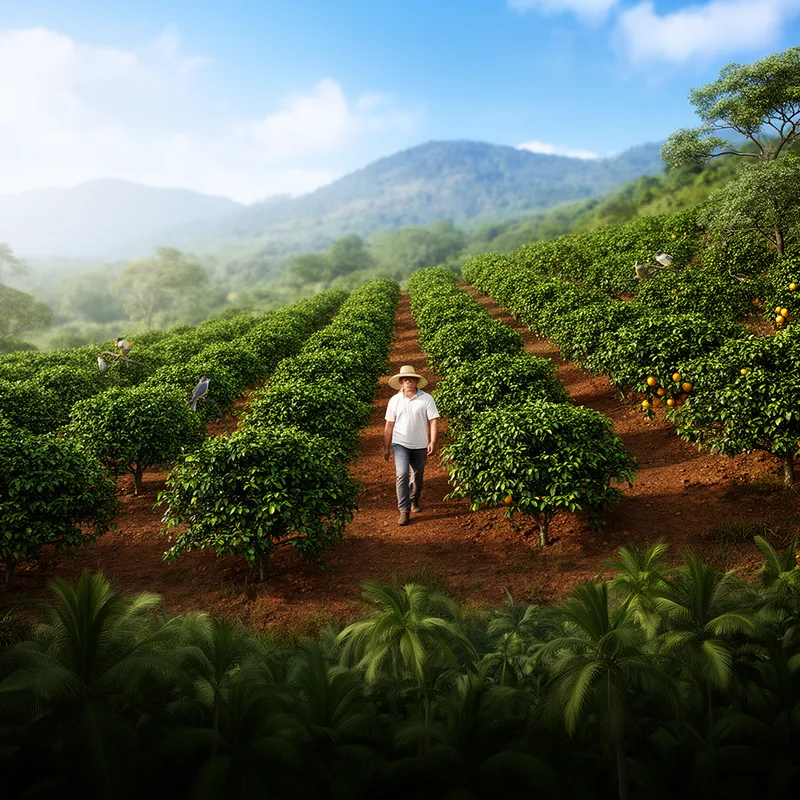
- The semitropics, with their warm temperatures and seasonal rainfall, support a diverse range of plant and animal life.
Examples
-
Landes baldly contends that "On a map of the world in terms of product or income per head, the rich countries lie in the temperate zones, particularly in the northern hemisphere; the poor countries in the tropics and semitropics" (p. 5).
Academic text (2000) -
One could perhaps allow the informal term semitropical to describe Virginia, considering its summer conditions, but recall that Landes slots the semitropics in the great global zone of poverty and disease; presumably he was not quite thinking of Virginia in this context.
Academic text (2000) -
Many countries in the semitropics experience distinct wet and dry seasons that influence agriculture.
-
The climate in the semitropics is typically milder than in the tropics, making it suitable for various crops.
Synonyms

 1
4.1
1
4.1

Areas just north and south of the tropics that have hot, humid summers and mild winters
How Tropical

Surface Forms
Morphology
Etymology
Semitropics starts with semi- meaning 'half', like in semicircle, and ends with tropics, meaning the 'warm region near the equator'. So the semitropics are places that are 'partly tropical', just outside the tropics and before cooler regions.