
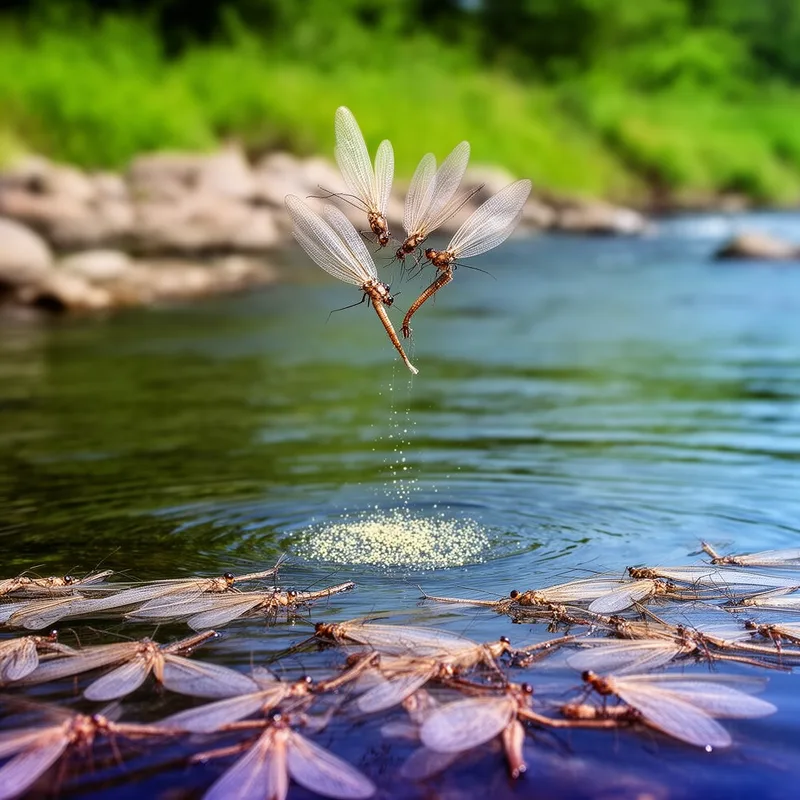
semelparous
- adjective
- /ˌsɛməlˈpɛrəs/
- Specialized
- There are semelparous animals as well, including Pacific salmon and octopuses, whose lifespans are subject to experimental manipulation.
Examples
-
The kind of accelerated aging that we observe in marigolds is typical of semelparous organisms whose life histories culminate in a single act of reproduction following growth.
Academic text (2002) -
Semelparous anadromous fishes (those that spawn once and then die) may act as keystone species (Willson and Halupka 1995):
Academic text (2009) -
In semelparous organisms, where there is only one major reproductive event, remarkably rapid aging often follows reproduction.
Academic text (1992) -
Pacific salmon are semelparous; they reproduce only once before dying.
-
Many semelparous species, including octopuses, invest all their energy into a single reproductive event.
-
The life cycle of semelparous organisms is characterized by their death after a single act of reproduction.
Synonyms
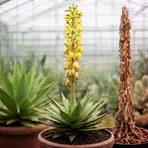
A plant that flowers and makes seeds only once then dies
Antonyms
How Often


Surface Forms
Morphology
semelparous = parous (opaque) = semel + par + ous
The word is built on the rare classical base 'parous' with the prefix 'semel-' meaning 'once', but this is not transparent to an average B1 learner.
Etymology
Semelparous comes from the parts semel meaning 'once' and -parous meaning 'bearing' or 'giving birth', like in parent. So a semelparous animal or plant reproduces only once in its life and then dies.