
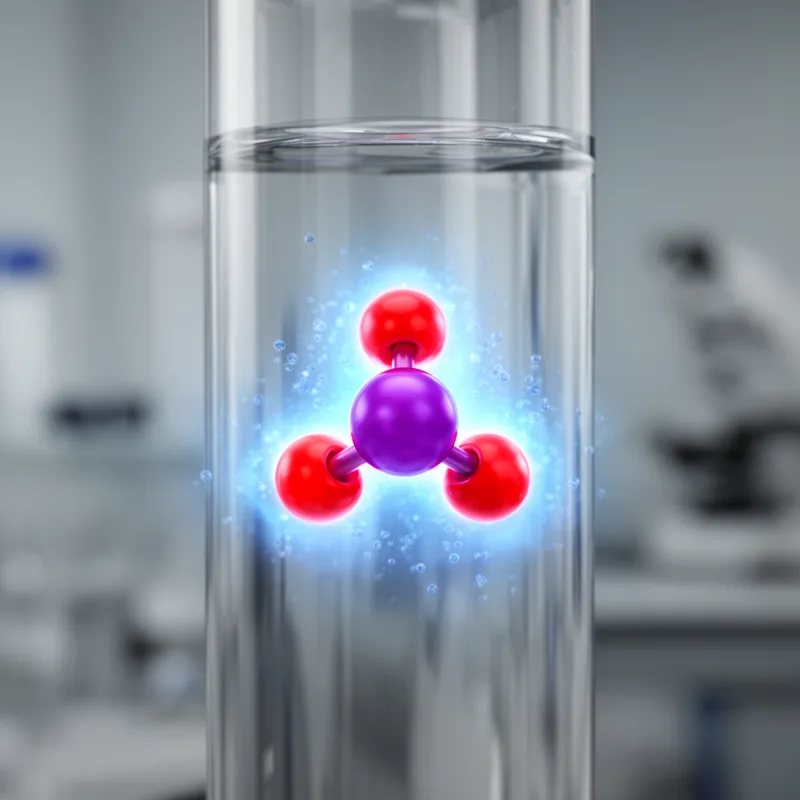
selenite


 1
9.9
1
9.9
- noun
- /ˈsɛləˌnaɪt/
- Specialized
- In 2000, a group of miners tunneling in the Naica mine, in the Mexican state of Chihuahua, found an underground cavern containing giant selenite crystals -- some as long as 11 meters.
- form of selenite
Examples
-
Selenites.
Fiction book (2001) -
One drained swab was transferred to 100 mL of TT broth and the other to 100 mL of selenite cystine broth.
Academic text (2002) -
Connected to the Naica Mine, which is nearly 1,000 feet below the surface, the Cave of Crystals' main chamber contains giant selenite/gypsum crystals—some of the largest natural crystals ever found.
Blog text (13) -
Selenite cystine is generally incubated at 35 to 37°C because selenite-based media can be inhibitory to Salmonella at higher temperatures.
Academic text (2002) -
Selenite cystine is generally incubated at 35 to 37°C because selenite-based media can be inhibitory to Salmonella at higher temperatures.
Academic text (2002) -
The researchers studied the effects of selenite on aquatic life in various environments.
-
Samples of selenite were collected to analyze their chemical composition in the laboratory.
-
To understand the compound better, the team prepared several reactions involving selenite ions.
Compounds
Surface Forms
Morphology
selenite = selenium (semi-transparent) = selen + ite
Formally derived from 'selenium' + the mineral/ion suffix '-ite'; the relation is clear to those knowing the element and chemical naming but is specialized vocabulary for general learners.
Etymology
Selenite comes from the Greek name Selene, which means 'moon', because early minerals with a soft, moon-like shine were linked to the moon. That's why the element selenium has the same root, and a chemical selenite is a compound that contains that element.