

seidr
- noun
- /ˈseɪdər/
- Archaic
- The saga described how the queen employed seidr to foresee the outcome of the battle.
Examples
-
Practitioners of seidr were often believed to have the power to influence fate and communicate with spirits.
-
Modern neopagans sometimes study seidr as part of reconstructing Norse spiritual practices.
-
The ancient practice of seidr was revered by many.
-
Many tales speak of the power of seidr in Norse mythology.
-
The saga described how the queen employed seidr to foresee the outcome of the battle.
-
Practitioners of seidr were often believed to have the power to influence fate and communicate with spirits.
-
Modern neopagans sometimes study seidr as part of reconstructing Norse spiritual practices.
Synonyms

A Norse type of magic that uses rituals and trance to see the future

A kind of magic in old Norse times used to see the future and make people enter a trance
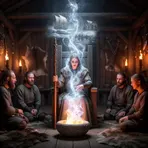
Magic used by ancient Norse people in rituals to tell the future

An Old Norse magic ritual often performed by women who told the future

Old Norse magic used in ceremonies to enter trance and see the future
Surface Forms
Etymology
Seidr comes from the Old Norse word seiðr, which named a kind of magic where people sang spells, spoke with spirits, and tried to 'see' or 'change' the future. A helpful way to remember seidr is to think of a 'seer' who looks into what will happen, because seidr was often about prophecy and shaping fate.

