

seborrheic
- adjective
- /ˌsɛbəˈriːɪk/
- Specialized
- Virtually all dandruff is actually a condition called seborrheic dermatitis.
Loading YouTube…
Watch on YouTubeVirtually all dandruff is actually a condition called seborrheic dermatitis.
- Virtually all dandruff is actually a condition called seborrheic dermatitis.
Examples
-
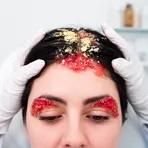
Seborrheic skin patches can often appear oily and flaky.
-
People with seborrheic conditions may notice red, scaly skin on their faces.
-
He developed seborrheic dermatitis, which caused irritation on his scalp.
Compounds

- Specialized


 1
8.8
1
8.8
A long-lasting skin problem that causes scaly, greasy patches on the scalp or face
- Specialized
A long-lasting skin problem that makes oily, red, scaly patches on the scalp or eyelids

- Specialized
A harmless wart-like skin growth with a greasy surface that may itch
How Oily

Surface Forms
Morphology
Etymology
Seborrheic comes from sebum meaning 'skin oil' and the Greek root -rrheic meaning 'to flow', as in the word diarrhea which also shows 'flow'. So, seborrheic means 'oil flow', and that is why it describes skin or scalp conditions with too much oil.