

sea scorpion
- noun
- /siː ˈskɔːrpiən/
- Specialized
- The sea scorpion uses its venomous spines to defend itself from predators.
Examples
-
The distinctive armored head helps the sea scorpion blend into the seafloor.
-
Divers should be cautious when encountering a sea scorpion in shallow rocky waters.
-
The sea scorpion is often found in rocky areas.
-
I saw a sea scorpion while snorkeling yesterday.
-
Divers should be cautious when encountering a sea scorpion in shallow rocky waters.
-
The sea scorpion uses its venomous spines to defend itself from predators.
-
The distinctive armored head helps the sea scorpion blend into the seafloor.
Synonyms
 1
9.1
1
9.1

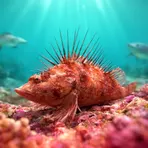
A fish with a pointed body and venomous spines that lives in warm seas

 1
7.9
1
7.9
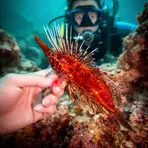
A sea fish with a pointed body and spines that give a painful sting
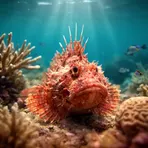
A sea fish with venomous spines that lives on coral reefs in the Indo-Pacific

A fish with feathery fins that hides on reefs and has stinging spines

A group of sea fish like scorpionfish that live in warm waters and can sting

A group of scorpionfish species in the scorpionfish family
Surface Forms
Morphology
The compound is directly interpretable from 'sea' (marine) + 'scorpion' (a stinging, armored arthropod), so a learner can infer a marine creature resembling or having scorpion-like/venomous features. This follows a common noun-compound pattern (location/type + animal) found across languages, making the meaning predictable for a B1 learner who knows both constituents.
Etymology
Sea scorpion gets its name from the fish's look: it has a hard, armored head and long, sharp spines that remind people of a land scorpion's sting, and it lives in the sea. Because those spines can give a painful 'sting', the name helps you remember that this fish can be dangerous.